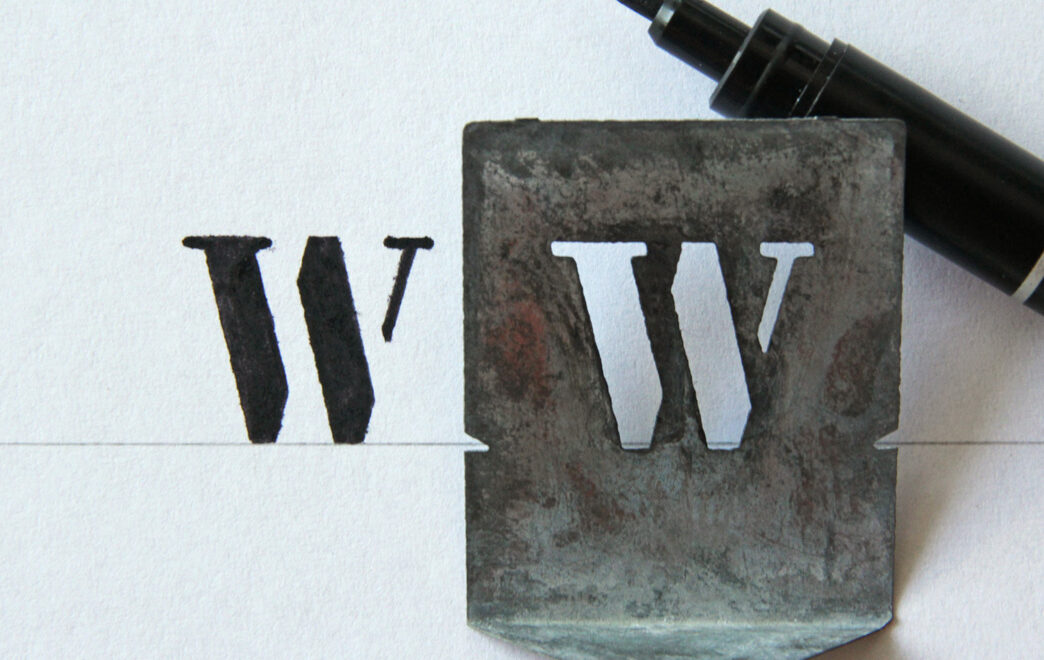
When Willem van Hanegem and Wardt van der Harst first connected over Windows Live Messenger in the mid-2000s, they were just two Dutch teenagers sharing trance tracks. Neither could have predicted that their partnership would eventually reshape the sound of main stages worldwide, spawn a cultural movement called Rave Culture, and earn them a spot among the most influential acts in electronic dance music. This is the story of W&W: how two friends from the Netherlands turned a shared obsession with melody and energy into a global brand.
Two Producers, One Vision
Willem, born in Breda in 1987, and Wardt, born in Goirle a year later, both fell for electronic music early. By age 14, they were already experimenting with production, inspired by trance heavyweights like Armin van Buuren, Tiësto and Ferry Corsten. Their first encounters were purely digital, exchanging ideas and files online before ever meeting face to face. That virtual collaboration laid the groundwork for a partnership built on mutual respect and a shared drive to push boundaries.
Their first in-person meeting at the 2007 Trance Energy festival in the Netherlands cemented the bond. They decided to join forces, and within a year, their debut single Mustang landed on Armada Music. The track, a soaring trance cut, caught the attention of Armin van Buuren and Tiësto, who championed it in their sets. Released on July 7, 2008, Mustang became an instant classic in trance circles and introduced W&W to the international stage.
The Trance Years: Building a Foundation
Following Mustang, W&W continued to refine their trance sound, releasing tracks like Arena, Mainstage and Impact. Their debut album Impact arrived in 2011, showcasing their knack for epic melodies and stadium-sized builds. Tracks such as Invasion and Lift Off! became anthems at A State of Trance events, solidifying their reputation as trance innovators. The duo also became a staple in Armin van Buuren’s circles, often appearing on Armada compilations and at major trance gatherings.
Yet even then, their sound carried a heavier, more aggressive edge than typical uplifting trance. Tracks like AK-47 (with Wezz Devall) and Twist (with Mark Sixma) hinted at a desire for something bigger, harder and more festival-oriented. This gradual shift would soon become a full-blown evolution.
The Big Room Pivot: Controversy and Conquest
Around 2011 and 2012, W&W made a decisive turn toward big room house, a genre characterised by massive kicks, simple yet catchy leads and explosive drops. The move was polarising. Some trance purists accused them of selling out, but the duo insisted it was a natural progression. They argued that their early trance already contained elements of big room, and that the shift simply reflected their desire to create music for the biggest stages.
In 2012, they launched their own label, Mainstage Music, under Armada. The imprint became a home for their new sound and a platform for like-minded producers. That same year, Invasion, the official anthem for A State of Trance 550, and Lift Off! were seen by many as the final steps in their transformation. But the real breakthrough came in 2013 with The Code (with Ummet Ozcan) and Jumper (with Hardwell). Both tracks dominated Beatport and became festival staples.
Then came Bigfoot. Released in 2014, the track was a game-changer. Its simple yet devastating drop, built on a heavily processed saw wave, became a blueprint for big room producers. Bigfoot topped Beatport and was played by virtually every major DJ. Along with Thunder and collaborations like Waves (with Dimitri Vegas & Like Mike) and Don’t Stop the Madness (with Hardwell), W&W cemented their status as big room royalty.
Crafting the Big Room Sound
Behind the anthems lies a meticulous production process. W&W are known perfectionists, often tweaking their tracks until they achieve maximum impact. Their signature sound involves layering multiple oscillators, heavy filtering, distortion and OTT compression to create a sense of immense width and power. The lead melody is often simple but memorable, designed to cut through the noise of a festival crowd. The build-up is long and tension-filled, leading to a drop that feels like a sonic explosion.
This attention to detail extends to their DJ sets, which are tightly choreographed to keep energy levels high. They frequently use mashups and edits to surprise audiences, blending their own tracks with classics from other genres. The result is a live experience that feels both spontaneous and precision-engineered.
NWYR: The Trance Alter Ego
By 2017, W&W had been dominating big room for years, but a segment of their original fanbase still longed for trance. Rather than ignore that, the duo introduced NWYR, an alias dedicated to trance and melodic sounds. The project, pronounced “New Year”, allowed them to explore their roots without compromising the W&W brand. NWYR tracks like Dragon and Voltage combined trance melodies with big room production techniques, creating a hybrid that appealed to both old and new fans.
The alias also gave them a separate identity for performances, with distinct branding centred around a dragon motif. They even used different synthesizers for NWYR tracks to ensure a distinct sonic character. This dual approach allowed W&W to serve two audiences simultaneously, easing tensions within their fanbase and opening new creative avenues.
Rave Culture: A Brand Beyond Music
In 2018, W&W rebranded Mainstage Music as Rave Culture, signalling a broader ambition. The name change reflected a shift from a narrow focus on big room to a more inclusive celebration of rave culture in all its forms. Rave Culture became a label, a fashion line and a lifestyle brand, hosting stages at festivals like Amsterdam Dance Event and Tomorrowland.
The label’s catalogue spans big room, hardstyle, trance and techno, reflecting the duo’s wide-ranging tastes. W&W also embraced the digital frontier, launching Rave Culture World, a virtual space that includes a digital nightclub called Club Mythic. This metaverse venture allowed fans to interact with the brand in new ways, from virtual concerts to exclusive merchandise drops.
The rebrand was a savvy business move, reducing reliance on any single genre and future-proofing the brand as EDM trends evolved. It also positioned W&W as cultural curators, not just DJs. They now lead a community that extends far beyond the dance floor.
Global Reach and Festival Dominance
W&W are perennial fixtures at the world’s biggest festivals: Tomorrowland, Ultra Music Festival, EDC Las Vegas, Amsterdam Music Festival and many more. Their high-energy sets, characterised by rapid-fire mixing and crowd interaction, have earned them a dedicated following. They have also performed in Asia, South America and the Middle East, bringing their sound to audiences worldwide.
Their DJ Mag Top 100 ranking has fluctuated but they have consistently remained in the upper echelons, peaking at number 14 in 2015. That same year, they collaborated with Dimitri Vegas & Like Mike for a festival in Vietnam, further expanding their global footprint.
Net Worth: What We Know and What We Don’t
As with many successful DJs, W&W’s exact financial status is not publicly disclosed. Various websites speculate about their net worth, but these figures are unverified estimates. Without official financial statements or credible reports from reliable sources, any specific amount should be treated with caution. Their income streams likely include live performances, music sales, streaming royalties, label earnings and merchandise, but concrete numbers remain private.
Looking Ahead
As of 2026, W&W continue to release music, tour extensively and grow Rave Culture. They have hinted at new collaborations and projects, but details remain under wraps. What is certain is their enduring impact on electronic music: they bridged the gap between trance and big room, championed a cultural movement and inspired a new generation of producers. Whether through W&W or NWYR, their story is one of constant evolution, driven by a simple love for making people dance.
Frequently Asked Questions
Who are W&W?
W&W are a Dutch DJ and production duo consisting of Willem van Hanegem and Wardt van der Harst. They are known for hits like Bigfoot, The Code and Mustang.
What does NWYR stand for?
NWYR is W&W’s alias for their trance productions. It is pronounced “New Year” and was launched in 2017.
What is Rave Culture?
Rave Culture is W&W’s label and lifestyle brand, formerly known as Mainstage Music. It encompasses music releases, fashion and events.
Are W&W still together?
Yes, as of 2026, W&W remain active as a duo, performing and releasing music.
What is W&W’s net worth?
There is no verified public information about their net worth. Any figures online are unconfirmed estimates.
Featured image: Till Niermann / Wikimedia Commons (CC BY-SA 3.0).
