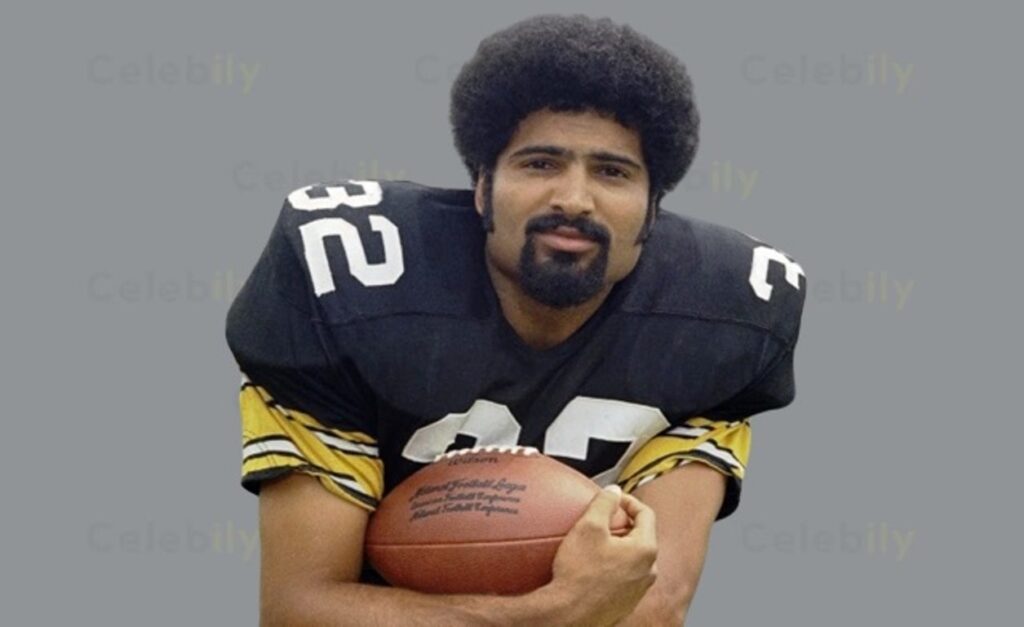

Franco Harris the legendary NFL running back passed away on December 20, 2022, at the age of 72. While his exact cause of death remains unspecified Harris leaves behind a legacy marked by iconic plays like the “Immaculate Reception” and significant contributions to the Pittsburgh Steelers’ success.
Franco Harris a name synonymous with American football greatness has left an indelible mark on the sport. His prowess on the field and his larger-than-life persona off it made him a beloved figure in the NFL community. But How did Franco Harris Die?
Quick Facts about How did Franco Harris Die
| Fact | Description |
|---|---|
| Date of Death | December 20, 2022 |
| Age | 72 |
| Known For | “Immaculate Reception” |
| Super Bowl Wins | 4 |
| NFL Team | Pittsburgh Steelers |
| Hall of Fame | Inducted in 1990 |
| College | Penn State University |
| Legacy | Transformed the Pittsburgh Steelers into NFL elite |
How did Franco Harris Die?
On December 20, 2022, the world of sports was shaken by the news of Franco Harris’s passing. At 72 Harris left behind a legacy that few can rival. While the exact cause of his death remains a mystery the impact he had on the game of football is undeniable.
Franco’s Early Life
Born on March 7 1950 in Fort Dix New Jersey Harris’s journey to NFL stardom began at Penn State University. Here he showcased his talent setting the stage for a career that would see him become one of the sport’s greatest.
The Immaculate Reception
One of the most iconic moments in NFL history the “Immaculate Reception” saw Harris at the center. This play not only solidified his place in football lore but also marked a turning point for the Pittsburgh Steelers setting them on a path to becoming an NFL powerhouse.
Achievements and Career Highlights
With four Super Bowl wins under his belt and numerous accolades Harris’s career was nothing short of spectacular. His induction into the Pro Football Hall of Fame in 1990 was a testament to his contributions to the game.
Franco’s Contribution to the Pittsburgh Steelers
Franco Harris’s association with the Pittsburgh Steelers is the stuff of legends. Drafted by the Steelers in the first round of the 1972 NFL Draft Harris quickly became an integral part of the team. His rookie season was nothing short of spectacular earning him the NFL Rookie of the Year title. But beyond the accolades and statistics, Harris’s real contribution was his ability to galvanize the team.
The Legacy of Franco Harris
The word ‘legacy’ often gets thrown around but in the case of Franco Harris, it’s the most apt description. His on-field achievements are well-documented but his off-field contributions are equally commendable. Harris was known for his philanthropic efforts, especially in the Pittsburgh community. He was a beacon of hope for many young athletes showing them that with hard work and dedication anything is possible.
Tributes and Reactions
The news of Harris’s passing sent shockwaves through the NFL community. Tributes poured in from all corners with former teammates coaches and even rivals expressing their grief. Steelers president Art Rooney II summed it up best when he said “It is difficult to find the appropriate words to describe Franco Harris’s impact on the Pittsburgh Steelers his teammates the City of Pittsburgh and Steelers Nation.”
While football was Harris’s first love his impact was felt far beyond the gridiron. He was an active community leader often participating in charitable events and initiatives. His foundation provided scholarships to deserving students and he was a vocal advocate for youth sports programs. Harris believed in giving back and his post-retirement years were marked by his relentless efforts to make a difference in the lives of those less fortunate.
Personal Life and Family
Born in Fort Dix New Jersey Harris’s early life was marked by challenges and triumphs. His father a Black soldier served in World War II and his mother was a native Italian. This diverse background gave Harris a unique perspective on life which he often credited for his success. He was a devoted family man and his son Dok often spoke of his father’s unwavering support and guidance.
In 1990, Franco Harris received the ultimate honor for an NFL player – induction into the Pro Football Hall of Fame. It was a testament to his incredible career and his contributions to the game. The induction ceremony was a star-studded affair with many of Harris’s former teammates and coaches in attendance. In his speech Harris thanked his family coaches and of course the fans for their unwavering support throughout his career.
The Steelers’ Dynasty of the 1970s
The 1970s were a golden era for the Pittsburgh Steelers and Harris was at the forefront of this success. The team won four Super Bowls in this decade with Harris playing a pivotal role in each of these victories. His partnership with other Steelers legends like Terry Bradshaw and Rocky Bleier was instrumental in the team’s dominance during this period.
Remembering Franco
Franco Harris’s passing led to an outpouring of tributes from the NFL community. Many of his peers shared anecdotes and memories of their time with Harris. “He was a true gentleman both on and off the field,” said one former teammate. Another added, “Franco Harris was not just a great player; he was a great human being.”
Conclusion
How did Franco Harris Die? Franco Harris’s passing marks the end of an era. His contributions to the game of football and the impact he had on and off the field will forever be remembered. As fans and peers mourn his loss his legacy will continue to inspire future generations.
FAQ’s
When did Franco Harris pass away?
Franco Harris passed away on December 20, 2022.
How old was Franco Harris at the time of his death?
What is the “Immaculate Reception”?
It’s one of the most iconic plays in NFL history, involving Franco Harris, who played a pivotal role in a game for the Pittsburgh Steelers.
How many Super Bowls did Franco Harris win?
Franco Harris won four Super Bowls with the Pittsburgh Steelers.
Was Franco Harris inducted into the Pro Football Hall of Fame?
Yes, he was inducted into the Pro Football Hall of Fame in 1990.