
Dave Chappelle, the acclaimed American stand-up comedian and actor, is estimated to hold a net worth of roughly $70 million. His wealth stems from various sources, including stand-up specials, TV appearances like “Chappelle’s Show,” movie roles, and a lucrative deal with Netflix for his comedy specials. This deal alone reportedly brings him $20 million annually.
| Net Worth | $70 million |
| Name | David Khari Webber Chappelle |
| Birth Date | August 24, 1973 |
| Birthplace | Washington, D.C., USA |
| Height | 5′ 11″ (1.80 m) |
| Eye Color | Brown |
| Hair Color | Black (usually shaved) |
| Occupation | Stand-up comedian, actor, producer, writer |
| Years Active | 1988-present |
| Spouse | Elaine Mendoza Erfe (married 2001) |
| Children | 2 sons, 1 daughter (names kept private) |
| Parents | William D. Chappelle (father), Yvonne Seon (mother) |
| Siblings | None |
| Ethnicity | African American |
| Nationality | American |
| Religion | Muslim (reportedly) |
| Awards | 5 Grammy Awards 2 Emmy Awards Mark Twain Prize for American Humor (2019) |
| Real Estate | Owns a 65-acre farm in Yellow Springs, Ohio. |
| Cars | Not known for flaunting expensive cars, but has been seen driving a GMC Yukon and a Tesla Model S |
| Links | IMDB Wikipedia Website |
What is Dave Chappelle’s Net Worth?
Dave Chappelle’s net worth is estimated to be around $70 million. Chappelle’s comedic roots trace back to his teenage years, performing at Washington D.C.’s famed Apollo Theater at just 17. His early stand-up routines showcased his sharp wit and observational humor, garnering attention and landing him roles in shows like “Def Comedy Jam” and “HBO’s Funnyman.” By the late 90s, Chappelle had carved a niche with his sketch comedy show, “Chappelle’s Show,” on Comedy Central.
Debuting in 2003, “Chappelle’s Show” became a cultural phenomenon. Its satirical skits tackled social issues with a blend of humor and audacity, sparking conversations and generating immense popularity. The show’s success propelled Chappelle to superstardom, securing him a lucrative contract worth a reported $50 million. However, at the peak of his success, Chappelle abruptly walked away from the show in 2005, citing creative differences and concerns about the show’s impact.
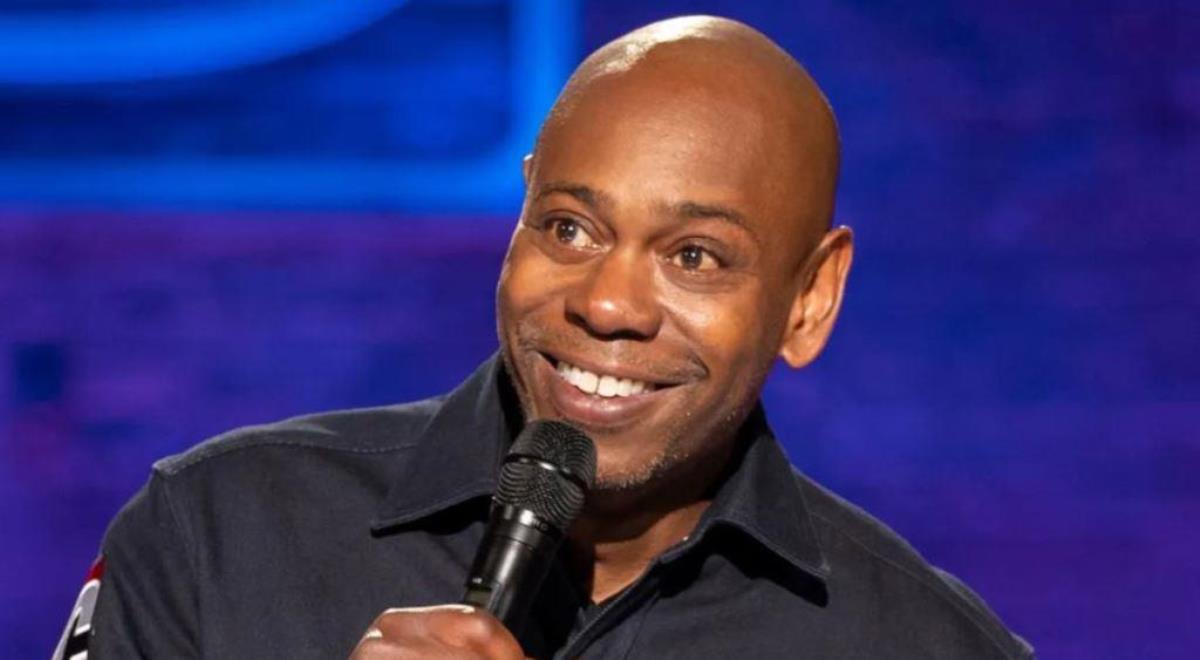
Despite the initial shock, Chappelle’s decision proved to be a shrewd one. He continued stand-up comedy, touring extensively and garnering critical acclaim. He also dabbled in film, starring in movies like “Half Baked” and “The Nutty Professor.” Notably, Chappelle avoided extravagant spending, opting for a more modest lifestyle and reportedly reinvesting his earnings wisely.
In 2016, Chappelle made a strategic move that solidified his financial standing. He signed a multi-year deal with Netflix for a reported $60 million, granting them exclusive rights to his stand-up comedy specials. These specials, including “The Age of Spin” and “Equanimity,” further cemented his comedic legacy and attracted new audiences. The Netflix deal not only brought Chappelle financial security but also artistic freedom, allowing him to explore his comedic vision without creative constraints.
Early Life and Education
Born on August 24, 1973, in Washington D.C., Chappelle’s childhood was anything but ordinary. His parents, William Chappelle, a university professor, and Yvonne Seon, a Unitarian Universalist minister and professor, instilled in him a strong sense of social justice and exposed him to diverse perspectives. Family gatherings often included renowned figures like Pete Seeger and Johnny Hartman, further enriching his cultural tapestry.
At the age of six, Chappelle’s life took a turn when his parents separated. He split his time between Silver Spring, Maryland, with his mother, and Yellow Springs, Ohio, with his father. This geographical juggling act broadened his worldview and provided him with distinct experiences that would later fuel his comedic observations.
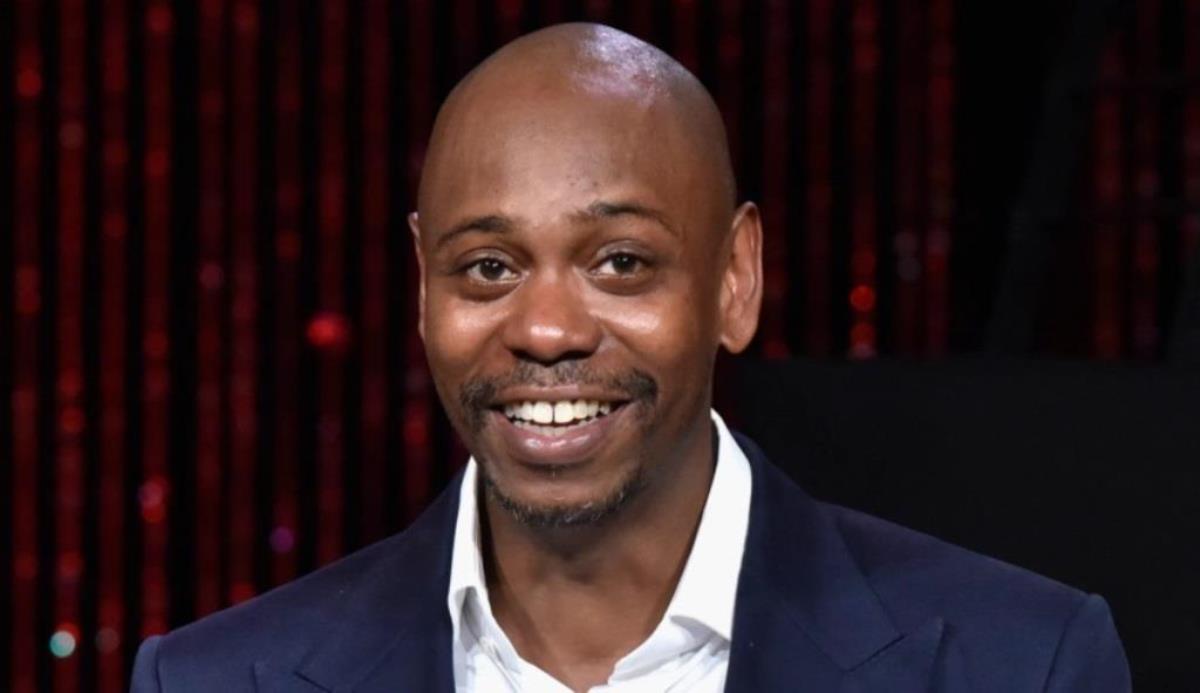
It was during this formative period that Chappelle’s comedic dreams blossomed. Inspired by comedic giants like Bill Cosby and Eddie Murphy, he began honing his observational humor at a young age.
Recognizing his son’s artistic inclinations, Chappelle’s parents enrolled him in the prestigious Duke Ellington School of the Arts, a haven for budding performers. Immersing himself in theater arts, he developed his comedic timing and stage presence, laying the groundwork for his future stand-up success.
Chappelle’s comedic journey wasn’t without its hurdles. At just 14, he took the plunge, performing stand-up in Washington-area clubs. Often accompanied by his mother due to his age, he faced his fair share of heckling and initial setbacks, even being booed offstage at the iconic Apollo Theater. Yet, these early challenges only fueled his determination.
Despite the early bumps, Chappelle’s talent couldn’t be ignored. His raw honesty, sharp wit, and ability to tackle sensitive topics with humor began to resonate with audiences. Appearances on shows like Def Comedy Jam and HBO’s “Funnyman” showcased his unique voice, propelling him into the national spotlight.
Career
Chappelle’s comedic spark ignited at a young age. He began performing stand-up comedy in local clubs at the tender age of 14, while still attending the prestigious Duke Ellington School of the Arts in Washington. His raw talent and sharp wit quickly caught the attention of the comedy circuit, leading him to New York City after graduation in 1991.
In the bustling New York comedy scene, Chappelle faced stiff competition but persevered. His appearances on shows like “HBO: Def Comedy Jam” and “The Late Show with David Letterman” showcased his unique perspective and observational humor, garnering him national recognition.
Chappelle’s comedic talents extended beyond the stage. He landed roles in several films throughout the 1990s, including “Robin Hood: Men in Tights” (1993), “The Nutty Professor” (1996), and the stoner comedy cult classic “Half Baked” (1998), which he co-wrote and starred in.
In 1996, Chappelle landed his own sitcom, “Buddies,” alongside actor Neil Patrick Harris. While the show was short-lived, it further solidified his comedic prowess and acting abilities.
In 2003, Chappelle reached the pinnacle of his career with the launch of “Chappelle’s Show” on Comedy Central. The sketch comedy series, co-created by Chappelle and Neal Brennan, tackled social and racial issues with audacious humor and insightful commentary.
“Chappelle’s Show” became a cultural phenomenon, garnering widespread acclaim for its groundbreaking humor and fearless social commentary. The show won numerous awards, including two Emmy Awards, and solidified Chappelle’s status as a comedic genius.
Despite the show’s immense success, Chappelle abruptly left “Chappelle’s Show” in the middle of production in 2005, citing creative differences and discomfort with the show’s immense popularity. This decision shocked fans and the entertainment industry alike.
Following his departure, Chappelle took a hiatus from the spotlight, focusing on stand-up comedy tours and exploring various artistic pursuits. He returned to the public eye in the late 2000s, performing stand-up shows across the country.
In 2016, Chappelle signed a multi-million dollar deal with Netflix, producing and releasing several stand-up comedy specials. These specials, including “The Age of Spin” (2017) and “Sticks & Stones” (2019), showcased Chappelle’s continued evolution as a comedian, addressing contemporary issues and social anxieties with his signature wit and unflinching honesty.
Also Read: How Much Did DJ Khaled Earn? Career Earnings and Net Worth
Personal Life
Chappelle was raised by academic parents, his father was a professor of vocal performance, and his mother was a university administrator and Unitarian minister. This intellectual environment exposed him to diverse perspectives, which later became evident in his ability to tackle complex social issues with comedic wit. At 14, Chappelle discovered stand-up comedy, finding solace in its raw honesty and the power to make people laugh. Moving to New York City after high school, he immersed himself in the competitive comedy scene, honing his craft and quickly gaining recognition.
While navigating the demanding world of comedy, Chappelle embraced Islam at the age of 17. His faith offered him a sense of grounding and purpose, influencing his personal values and artistic choices. In 2001, he married Elaine Mendoza Erfe, a Filipino-American woman, finding a partner who shared his commitment to family and privacy. They later welcomed three children, further solidifying the importance of family in Chappelle’s life.
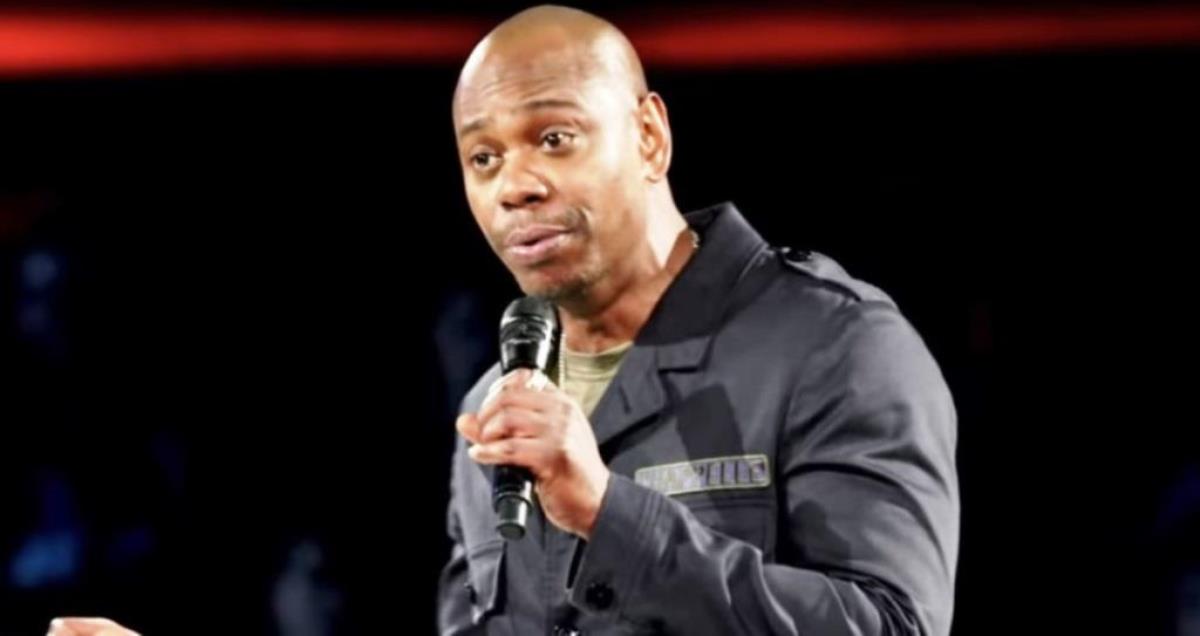
Chappelle’s talent propelled him to the top with the creation of “Chappelle’s Show” in 2003. The show’s groundbreaking humor and fearless social commentary garnered critical acclaim and massive popularity. However, in 2005, amidst immense pressure and personal struggles, Chappelle abruptly walked away from his multi-million dollar contract, leaving the show unfinished and the world stunned.
Choosing privacy over fame, Chappelle retreated to his farm in Yellow Springs, Ohio. He reconnected with his community, embraced a simpler life, and continued honing his stand-up craft. Slowly, he returned to the stage, his comedy reflecting a matured perspective and a newfound appreciation for authenticity. He carefully selected projects, opting for creative freedom over mainstream appeal.
Though fiercely private, Chappelle’s actions speak volumes about his values. He champions social justice, using his platform to advocate for marginalized communities. He prioritizes family, choosing privacy to protect his loved ones from the spotlight. He remains true to his artistic vision, shunning lucrative offers that compromise his creative integrity.
Philanthropy and Activism
Chappelle’s philanthropic spirit finds its roots in his formative years at the Duke Ellington School of the Arts in Washington D.C. This renowned performing arts high school instilled in him a love for artistic expression and ignited his comedic spark. Recognizing the transformative power of the arts, Chappelle has generously supported his alma mater. In 2019, he delivered a poignant commencement address, urging graduates to “use your voice, use your platform, and make the world a better place.” His financial contributions have also gone towards ensuring that future generations of aspiring artists have access to the same nurturing environment that shaped his path.
Unlike many celebrities who wear their activism on their sleeves, Chappelle’s approach is more nuanced. He chooses his moments carefully, preferring to make impactful interventions rather than maintaining a constant public presence. In 2015, he stood in solidarity with Ferguson protestors following the fatal shooting of Michael Brown, offering financial support and lending his voice to the call for justice. He has also spoken out against police brutality and systemic racism, using his platform to spark crucial conversations and challenge perspectives.
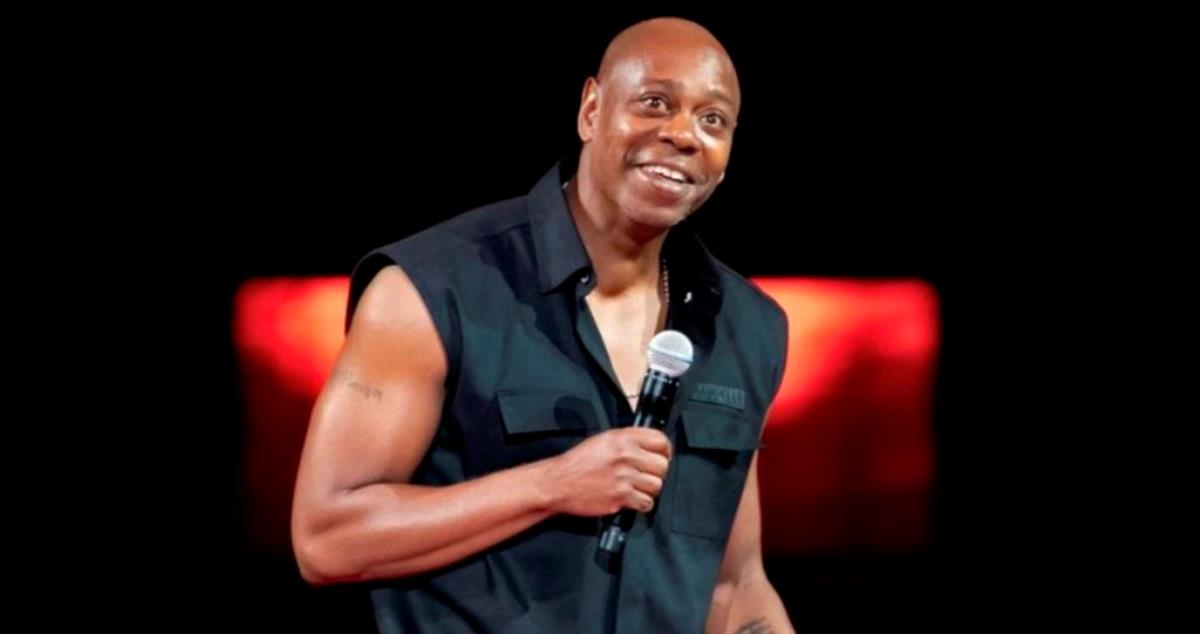
Chappelle’s most potent tool for activism lies in his humor. His stand-up routines are not mere entertainment; they are meticulously crafted social commentaries that dissect sensitive topics with wit and insight. He masterfully navigates racial tensions, political divides, and societal injustices, prompting audiences to laugh, gasp, and ultimately, think critically about the world around them. While his approach can be polarizing, its effectiveness is undeniable. His comedy sparks crucial conversations, ignites debate, and forces audiences to confront uncomfortable truths, all while fostering empathy and understanding.
While Chappelle readily participates in specific movements and lends his voice to pressing issues, his central message often emphasizes individual responsibility and critical thinking. He encourages his audience to engage in meaningful discussions, form their own informed opinions, and take action in their communities. This focus on empowering individuals resonates deeply with his fans, who appreciate his authenticity and genuine desire to create positive change.
Assets and Investments
Chappelle’s most visible asset is his sprawling 65-acre farm in Yellow Springs, Ohio. Acquired in 2005 for a reported $2 million, this haven boasts a comedy club, the “Rock Paper Scissors,” a performance center, and multiple housing units. This isn’t just a retreat; it’s a testament to Chappelle’s vision and entrepreneurial spirit, generating income through events and showcasing his artistic endeavors. In 2023, Chappelle even threatened to pull investments from the area due to a potential nearby housing development, highlighting his commitment to preserving the unique identity of his “kingdom.”
While details remain under wraps, reports suggest Chappelle owns multiple homes in Los Angeles and Ohio. These private sanctuaries offer refuge from the spotlight, reflecting his desire for a balanced life amidst the whirlwind of fame.
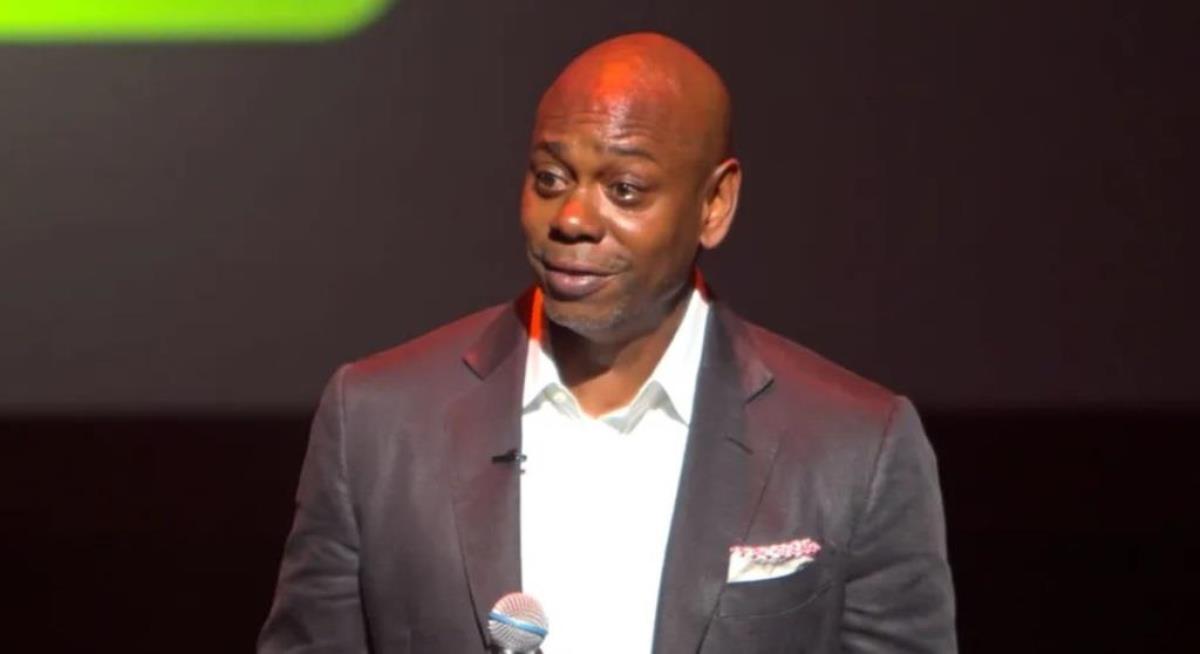
Chappelle’s 2016 deal with Netflix marked a turning point. The reported $60 million agreement for three stand-up specials propelled him further into financial stratospheres. Specials like “Sticks & Stones” and “The Age of Spin” garnered critical acclaim and commercial success, proving that Chappelle’s comedic genius continues to translate into gold. Live tours, another cornerstone of his income, consistently sell out worldwide, solidifying his status as a comedic force to be reckoned with.
In 2004, Chappelle established Pilot Bowl Productions, his own production company. This move granted him creative autonomy and a significant share of the profits generated by his specials and other ventures. It’s a testament to his ambition and desire to control his artistic output, ensuring his voice remains unfiltered and authentic.
Collaboration
Chappelle’s collaborative spirit was evident early on. In the 1990s, he honed his craft alongside fellow comedians like Neal Brennan and Charlie Murphy, co-writing skits for iconic shows like “Def Comedy Jam” and “Chappelle’s Show.” This camaraderie fostered a creative space where ideas bounced freely, sparking the comedic brilliance that would become Chappelle’s signature.
In 2003, Chappelle launched his landmark sketch comedy show, “Chappelle’s Show.” This venture, co-created with Brennan, was a masterclass in collaboration. Each episode featured a diverse cast of actors, writers, and musicians who injected their perspectives into the show’s humor. From musical parodies with Kanye West to skits featuring DMX and John Mayer, “Chappelle’s Show” exemplified the power of blending talents to create comedic magic.
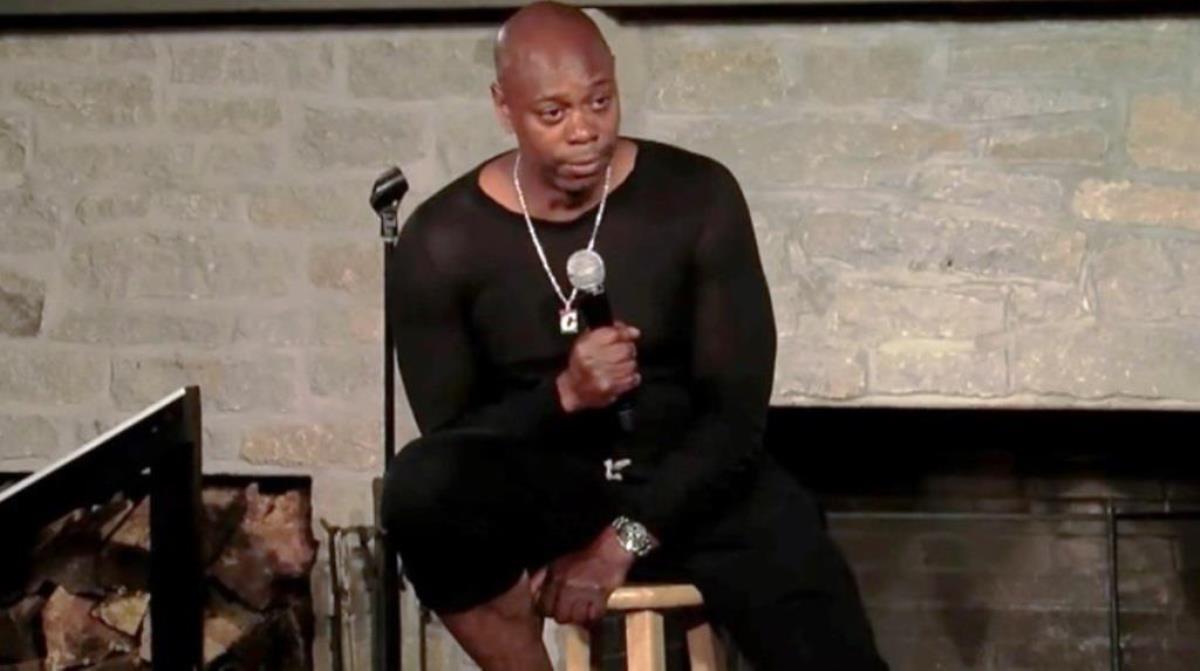
Chappelle’s collaborative spirit isn’t confined to his projects. He has made memorable appearances in films directed by renowned filmmakers like Spike Lee (“Half Baked”) and Mel Gibson (“The Passion of the Christ”). In these collaborations, Chappelle brings his comedic touch to different artistic visions, showcasing his adaptability and willingness to work with diverse creative forces.
In recent years, Chappelle has redefined the stand-up special format through his Netflix specials. Each special features a meticulous collaboration with director Stan Lathan, who captures Chappelle’s energy and wit with masterful direction. Additionally, his specials often incorporate surprise appearances from iconic musicians like Stevie Wonder and rappers like Mos Def and Talib Kweli. These unexpected collaborations offer unique comedic moments and highlight Chappelle’s ability to seamlessly integrate different artistic expressions.
Awards and Nomination
Dave Chappelle’s meteoric rise began in the 90s. His breakout role in “Half Baked” (1998) launched him into mainstream consciousness, but it was “Chappelle’s Show” (2003-2005) that catapulted him to superstardom. The satirical sketch comedy, lauded for its fearless and often controversial humor, garnered him two Emmy Award nominations for Outstanding Writing for a Variety Series (2004, 2005). In 2004, he received the prestigious Time Magazine “100 Most Influential People” recognition, solidifying his cultural relevance.
In 2005, at the peak of his career, Chappelle abruptly walked away from “Chappelle’s Show,” citing creative differences and concerns about artistic control. This self-imposed exile saw him return to his roots – stand-up comedy. Touring across the nation, he honed his craft, tackling complex social issues with his signature blend of humor and intellectual depth. This introspective period laid the groundwork for his future award-winning specials.

In 2016, Dave Chappelle made a triumphant return to television, hosting “Saturday Night Live” and earning his first Emmy Award for Outstanding Guest Actor in a Comedy Series. This marked the beginning of a prolific period, where he signed a multi-million dollar deal with Netflix and released a string of critically acclaimed stand-up specials.
His first two Netflix specials, “The Age of Spin” (2017) and “Equanimity & The Bird Revelation” (2018), earned him his first two Grammy Awards for Best Comedy Album. This winning streak continued with “Sticks & Stones” (2019), garnering him a third consecutive Grammy. In 2019, he received the coveted Mark Twain Prize for American Humor, solidifying his place as a comedy legend.
The accolades continued to pour in with “Saturday Night Live: Weekend Update with Colin Jost and Michael Che” (2020) winning an Emmy for Outstanding Variety Special (Live) and “Dave Chappelle: Sticks & Stones” winning for Outstanding Writing for a Variety Special and Outstanding Variety Special (Pre-Recorded). He further cemented his dominance in stand-up with Grammys for “The Closer” (2021) and “What’s In A Name?” (2022), establishing a record for most wins in the Best Comedy Album category.
Also Read: How Much Did Chrisean Rock Earn? Career Earnings and Net Worth
Significant Life events
Born in 1971, Chappelle’s comedic roots trace back to his teenage years. By 14, he was already honing his craft in Washington D.C. clubs, his sharp observations and infectious energy leaving audiences wanting more. After graduating from the prestigious Duke Ellington School of the Arts in 1991, he soon set his sights on New York City, the epicenter of comedy dreams.
The late 90s saw Chappelle’s star rising steadily. Stand-up specials like “Killin’ Them Softly” showcased his talent, while roles in films like “Half Baked” cemented his comedic persona. By 1998, he had landed his sketch comedy show, “Half Baked,” further solidifying his presence in the industry.
The year 2003 marked a turning point. “The Chappelle Show,” a satirical powerhouse brimming with cultural commentary and hilarious skits, took the world by storm. Its impact was undeniable, garnering Emmy Awards and catapulting Chappelle to superstardom.
However, at the peak of his success, in 2005, Chappelle made a decision that shocked the world. Citing creative differences and concerns about the show’s direction, he walked away from “The Chappelle Show,” leaving millions bewildered and the industry buzzing with speculation. This bold move, while initially met with confusion, became a testament to Chappelle’s artistic integrity and his refusal to compromise his vision.
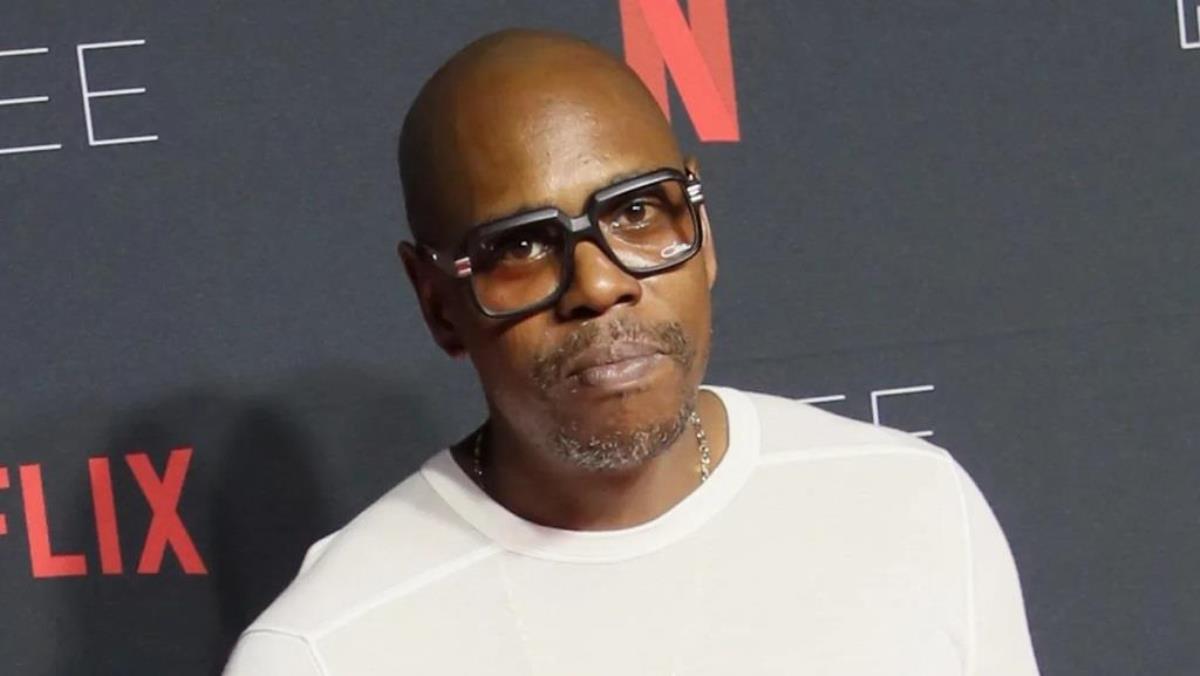
The years following “The Chappelle Show” saw the comedian embark on a new chapter. He returned to his roots, focusing on stand-up comedy. With tours traversing the globe and a string of successful albums, Chappelle honed his craft, pushing boundaries and exploring sensitive topics with his signature dark humor.
In 2017, a landmark deal with Netflix marked a significant return. Four stand-up comedy specials, each addressing social issues, personal experiences, and the ever-evolving comedic landscape, solidified his position as a leading voice in contemporary comedy.
Dave Chappelle’s stand-up specials have sparked discussions and ignited controversies. Jokes tackling societal issues, from race relations to LGBTQ+ topics, have divided audiences and fueled critical discourse. While some commend his willingness to engage in uncomfortable conversations, others find his humor offensive.
The debate surrounding Chappelle’s comedy highlights the inherent complexity of humor and its intersection with sensitive social issues. Regardless of personal opinions, it’s undeniable that Chappelle has ignited conversations that force us to confront challenging realities and examine our own biases.
Dave Chappelle’s life extends beyond the spotlight. In 2001, he married Elaine Mendoza Erfe, and the couple shares three children. His faith, Islam, has also played a significant role in his journey, informing his values and influencing his approach to comedy.
Looking beyond the controversies, Chappelle’s commitment to social justice and community engagement shines through. In 2005, he established the “Silver Spring Peacemaker” program, aiming to provide alternatives to youth violence in his hometown. These initiatives showcase a side of Chappelle that seeks to make a positive impact beyond laughter.
Impact and legacy
Dave Chappelle’s comedic aspirations emerged early. At just 14, he opened for icons like Mel Brooks and Red Foxx, showcasing his natural wit and knack for storytelling. After moving to New York City at 18, he immersed himself in the vibrant stand-up scene, honing his craft at renowned clubs like the Apollo Theater.
By the late 90s, Chappelle’s talent was undeniable. He landed roles in movies like “Half Baked” and “The Nutty Professor,” gaining mainstream recognition. However, it was his critically acclaimed stint on “HBO’s Def Comedy Jam” that cemented his status as a rising star.
In 2003, “Chappelle’s Show” exploded onto the scene, becoming a cultural phenomenon. The sketch comedy series, co-created with Neal Brennan, tackled sensitive topics like race, politics, and sexuality with audacious humor, often pushing boundaries and sparking controversy.
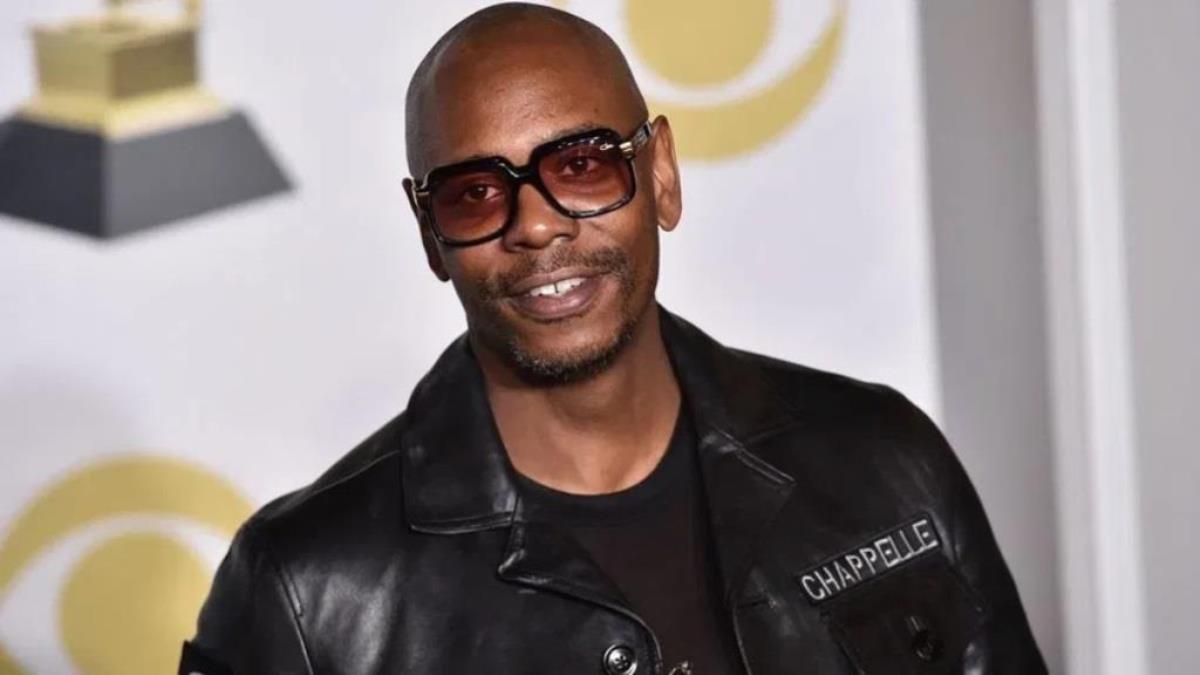
“Chappelle’s Show” broke ground by featuring a diverse cast and writers’ room, offering a platform for underrepresented voices. It launched the careers of actors like Tiffany Haddish and garnered numerous accolades, including two Emmy Awards. However, its unflinching approach to satire also generated criticism, particularly from some minority groups who felt misrepresented.
Despite the controversy, “Chappelle’s Show” left an undeniable mark. It challenged stereotypes, ignited conversations, and redefined the landscape of sketch comedy. Its influence is still felt today, with shows like “Atlanta” and “Key & Peele” carrying the torch of social commentary through humor.
In 2005, at the height of his success, Chappelle abruptly walked away from “Chappelle’s Show,” citing creative differences and personal struggles. This unexpected decision left fans and the industry stunned.
For the next eight years, Chappelle largely retreated from the spotlight, sporadically performing stand-up. He used this time to introspect, refine his comedic voice, and distance himself from the intense pressures of fame.
In 2013, Chappelle returned with a series of stand-up specials for Netflix, marking a triumphant comeback. These specials, while commercially successful, reignited the controversy surrounding his humor. Jokes addressing sensitive topics like transgender identity and cancel culture sparked heated debates, raising questions about free speech, the limits of humor, and the evolving cultural landscape.
While some hailed Chappelle as a fearless truth-teller, others criticized his material as insensitive and harmful. Despite the critiques, his specials cemented his status as a comedic force, drawing large audiences and generating significant cultural discourse.
FAQs
What is Dave Chappelle’s Net Worth?
Dave Chappelle’s net worth is estimated to be around $70 million.
How tall is Dave Chappelle?
Dave Chappelle stands at approximately 6 feet 1 inch (1.85 meters) tall.
Where was Dave Chappelle born and raised?
Dave Chappelle was born on August 24, 1973, in Washington, D.C. He spent parts of his childhood in Washington D.C., Ohio, and Maryland.
Did Dave Chappelle go to college?
Yes, Dave Chappelle attended Duke Ellington School of the Arts in Washington D.C., and later transferred to Woodson High School in Maryland, where he began his pursuit of stand-up comedy.
Is Dave Chappelle married?
Yes, Dave Chappelle has been married to Elaine Chappelle since 1991. They keep their relationship private and very little information is publicly available.
Does Dave Chappelle have any children?
Yes, Dave Chappelle and his wife Elaine have three children, although details about them are kept private.
Who are Dave Chappelle’s parents?
Dave Chappelle’s father, William David Chappelle III, was a professor of vocal performance and university administrator. His mother, Yvonne Seon, is a Unitarian Universalist minister and university professor.
Does Dave Chappelle have any siblings?
Dave Chappelle has one older sister named Felicia Onale Chappelle.
When did Dave Chappelle start his stand-up comedy career?
Dave Chappelle began performing stand-up comedy in high school and continued pursuing it after graduation. He rose to prominence in the late 1990s and early 2000s.
What is Dave Chappelle best known for?
Dave Chappelle is best known for his highly influential sketch comedy show “Chappelle’s Show” (2003-2006) and several stand-up comedy specials on Netflix.
Has Dave Chappelle acted in any movies?
Yes, Dave Chappelle has starred in several films throughout his career, including “Half Baked” (1998), “Robin Hood: Men in Tights” (1993), and “Undercover Brother” (2002).
Who has Dave Chappelle collaborated with?
Dave Chappelle has collaborated with numerous comedians and actors throughout his career, including Neal Brennan (co-creator of “Chappelle’s Show”), John Mayer, Kanye West, and Elon Musk.
How many awards has Dave Chappelle won?
Dave Chappelle has won numerous awards throughout his career, including two Emmy Awards, three Grammy Awards, and the prestigious Mark Twain Prize for American Humor.
Did Dave Chappelle walk away from “Chappelle’s Show” at the peak of its popularity?
Yes, in 2005, Dave Chappelle abruptly left “Chappelle’s Show” after signing a lucrative contract, citing creative differences and personal struggles. He later returned to stand-up comedy and signed a multi-million dollar deal with Netflix for several stand-up specials.
How has Dave Chappelle impacted the world of comedy?
Dave Chappelle is considered one of the most influential comedians of his generation. His work is known for its sharp social and political commentary, often delivered with humor and wit. He has tackled sensitive topics and pushed boundaries, sparking important conversations and influencing countless comedians.
Has Dave Chappelle been involved in any controversies?
Yes, Dave Chappelle’s comedy has sometimes been criticized for being offensive or insensitive, particularly towards certain communities.
What is Dave Chappelle’s real name?
Dave Chappelle’s full name is David Khari Webber Chappelle.
Did Dave Chappelle get booed off-stage at the Apollo Theater?
Yes, early in his career, Dave Chappelle was booed off stage during his first appearance on “Amateur Night” at the Apollo Theater, a legendary moment that he later joked about in his stand-up routines.
What instruments does Dave Chappelle play?
Dave Chappelle is a skilled pianist and has showcased his talents on various occasions, including playing alongside renowned musicians like John Mayer.
Where does Dave Chappelle live?
Dave Chappelle is known for keeping his personal life private, and his current residence is not publicly known.
What are some of Dave Chappelle’s hobbies and interests?
While details remain private, it is known that Dave Chappelle enjoys basketball and has played in celebrity charity games. He is also interested in philosophy and has referenced philosophical concepts in his stand-up routines.