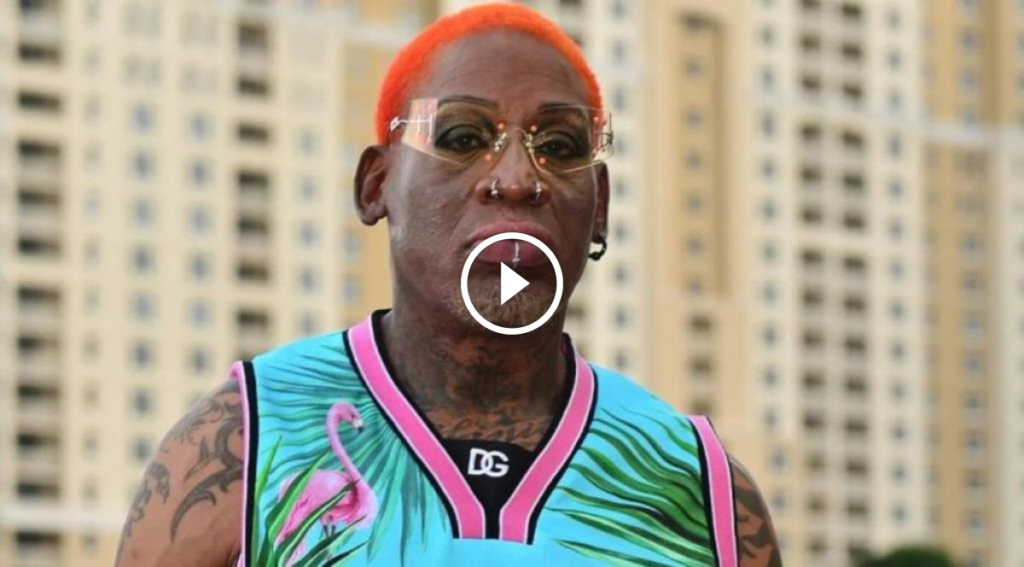

Dennis Rodman, the former NBA star known for his rebounding prowess and eccentric personality, is estimated to be worth around $500 Thousand. Despite earning millions during his playing career and ventures into reality TV, he reportedly faced financial challenges, leading to a significant decrease in his net worth compared to its peak of $29 million in 1998.
| Net Worth | $500 Thousand |
| Name | Dennis Keith Rodman |
| Birth Date | May 13, 1961 |
| Birthplace | Trenton, New Jersey, USA |
| Height | 6 ft 7 in (2.01 m) |
| Eye Color | Brown |
| Hair Color | Varies (naturally brown, dyed various colors throughout career) |
| Occupation | Professional basketball player (NBA) |
| Years Active | 1986-2000 |
| Spouse | Married five times, all ending in divorce |
| Children | 3 (Dennis Rodman Jr., Trinity Rodman, Alexis Rodman) |
| Parents | Shirley Rodman (mother), Philander Rodman Sr. (father, separated when Dennis was a child) |
| Siblings | 28 half-siblings |
| Ethnicity | African American |
| Nationality | American |
| Religion | Agnostic |
| Awards | 5x NBA champion, 2x NBA Defensive Player of the Year 7x NBA rebounding leader, 2x All-NBA Second Team, NBA All-Defensive First Team, All-NBA Third Team, NBA 75th Anniversary Team, Naismith Memorial Basketball Hall of Fame |
| Real Estate | Owns several properties, including homes in California and North Carolina |
| Cars | Known for his collection of luxury cars, including Porsches, Ferraris, and Bentleys |
| Links | Basketball-Reference NBA Hall of Fame IMDb |
What is Dennis Rodman’s Net Worth?
Dennis Rodman’s net worth is estimated to be around $500 Thousand. Rodman faced a challenging upbringing in Trenton, New Jersey. Undeterred, he discovered a passion for basketball, honing his skills on local courts. His talent eventually landed him at Southeastern Oklahoma State University, where he blossomed into a rebounding machine. In 1986, the Detroit Pistons drafted him at 27th overall, marking the beginning of a remarkable career.
Throughout his 14-year NBA odyssey, Rodman donned the jerseys of the Pistons, San Antonio Spurs, Chicago Bulls, Los Angeles Lakers, and Dallas Mavericks. His relentless hustle and defensive dominance earned him two NBA Defensive Player of the Year awards, seven All-Defensive First Team selections, and five NBA championships. During this period, his salary alone amounted to over $27 million, a significant foundation for his wealth.
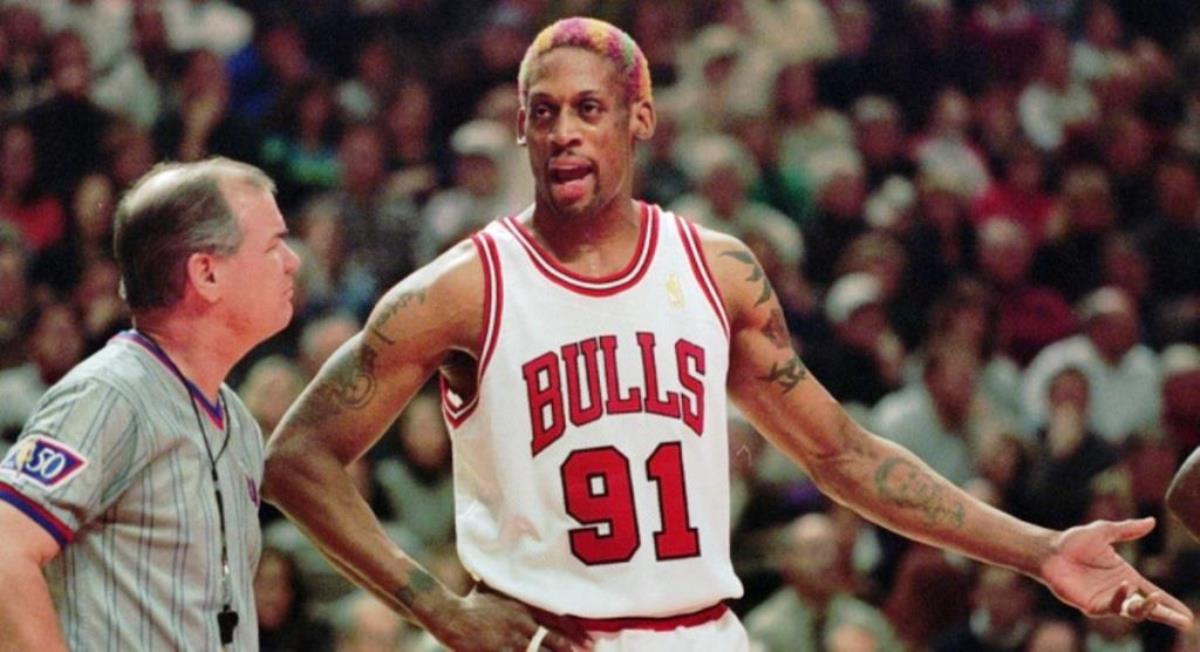
Rodman’s marketability transcended the basketball court. His unique persona and rebellious image attracted major brands like Nike, AT&T, and MasterCard, generating endorsement deals worth millions. He even landed lucrative contracts with companies in North Korea, sparking further headlines.
Beyond endorsements, Rodman embarked on various business ventures, from his tequila brand to professional wrestling stints. While some proved successful, others yielded mixed results. Additionally, his reality TV appearances on shows like “Celebrity Apprentice” and “Celebrity Big Brother” brought him fame and additional income.
Despite his earning potential, Rodman has grappled with financial troubles throughout his career. Extravagant spending habits, legal issues, and child support payments have reportedly eroded his wealth. In 2012, he faced foreclosure on his California mansion, highlighting the complexities of his financial picture.
Early Life and Education
Born on May 13, 1961, in Trenton, New Jersey, Dennis was the eldest of 47 children according to his claims, though the exact number remains unclear. His father, Philander, was an Air Force serviceman who later fought in the Vietnam War. Sadly, Philander abandoned the family when Dennis was young, leaving his mother, Shirley, to struggle financially while raising numerous children. This instability marked Dennis’s early years, forcing him to move frequently and witness hardship firsthand.
Despite his athletic potential, Dennis’s early foray into basketball wasn’t a slam dunk. At his Dallas high school, he stood at a modest 5-foot-11, struggled to cut, and often found himself warming the bench. However, a growth spurt in his late teens catapulted him to 6-foot-8, reigniting his passion for the game. This physical transformation, coupled with unwavering determination, landed him a spot at Cooke County Junior College in Texas.

Cooke County proved to be a turning point. Here, Dennis’s raw talent and relentless work ethic blossomed. He averaged an impressive 17.6 points and 13.3 rebounds, showcasing his natural rebounding prowess. Yet, academic struggles led him to transfer to Southeastern Oklahoma State University, an NAIA school. This move proved pivotal.
At Southeastern Oklahoma State, Dennis found his stride. His dominance on the court was undeniable. He led the NAIA in rebounding twice, averaging a staggering 25.7 points and 15.7 rebounds throughout his college career. This electrifying performance didn’t go unnoticed. NBA scouts started taking note, intrigued by his unique combination of size, rebounding tenacity, and raw athleticism.
In 1986, the Detroit Pistons drafted Dennis in the second round, 27th overall. This marked the beginning of a remarkable journey that transcended basketball. His unconventional style, flamboyant hair, and outspoken personality captivated audiences, while his defensive intensity and rebounding prowess became invaluable assets to the Pistons’ “Bad Boys” era.
Career
Rodman’s life was not without challenges. He found solace in basketball, displaying a relentless work ethic and an innate talent for rebounding. After a successful college career at Southeastern Oklahoma State University, he entered the 1986 NBA Draft, where the Detroit Pistons selected him with the 27th overall pick.
Rodman joined the Pistons at a pivotal moment. The team, led by Isiah Thomas and known for their physical, defensive style, was determined to dethrone the dominant Los Angeles Lakers. Rodman embraced this “Bad Boys” identity, becoming a defensive force and a key rebounder, complementing the team’s offensive firepower.
His contributions were crucial. In 1989, the Pistons defeated the Lakers in a thrilling Finals series, and Rodman earned his first championship ring. He repeated the feat in 1990, solidifying his reputation as a vital piece of the Pistons’ championship puzzle.
After leaving the Pistons in 1993, Rodman embarked on a journey that saw him play for the San Antonio Spurs, Los Angeles Lakers, and Dallas Mavericks. While his statistics remained impressive, he did not find the same team success he experienced in Detroit.
In 1995, a seemingly unlikely pairing brought Rodman to the Chicago Bulls, a team already boasting the talents of Michael Jordan and Scottie Pippen. Despite initial concerns about his fit, Rodman’s focus shifted. He prioritized defense and rebounding, allowing Jordan and Pippen to shine offensively.
The gamble paid off spectacularly. Rodman’s contributions were instrumental in the Bulls’ second three-peat (1996-1998), adding another three championship rings to his collection. He cemented his legacy as one of the greatest rebounders of all time, winning seven consecutive rebounding titles from 1992 to 1998.
Rodman’s career continued for a few more years, with stints in various leagues outside the NBA. He retired in 2006, leaving behind a legacy that transcended the basketball court. His flamboyant personality, colorful hairstyles, and off-court antics made him a cultural icon, generating both fascination and controversy.
In 2011, Rodman’s contributions to the game were acknowledged when he was inducted into the Naismith Memorial Basketball Hall of Fame.
Also Read: How Much Did Ice Spice Earn? Career Earnings and Net Worth
Personal Life
Rodman’s childhood was marked by instability. His father abandoned the family at a young age, leaving his mother, Shirley, to raise him and his siblings amidst constant financial struggles. These early hardships instilled in Rodman a fierce independence and resilience, traits that would later manifest in his unconventional approach to life.
Despite facing personal challenges, Rodman discovered a passion for basketball in high school. Though initially overlooked, his dedication and raw talent propelled him to Southeastern Oklahoma State University. It was there he honed his rebounding prowess, earning the nickname “The Worm” for his tenacious ability to snag seemingly impossible balls. In 1986, the Detroit Pistons drafted him in the second round, marking the beginning of a legendary career.
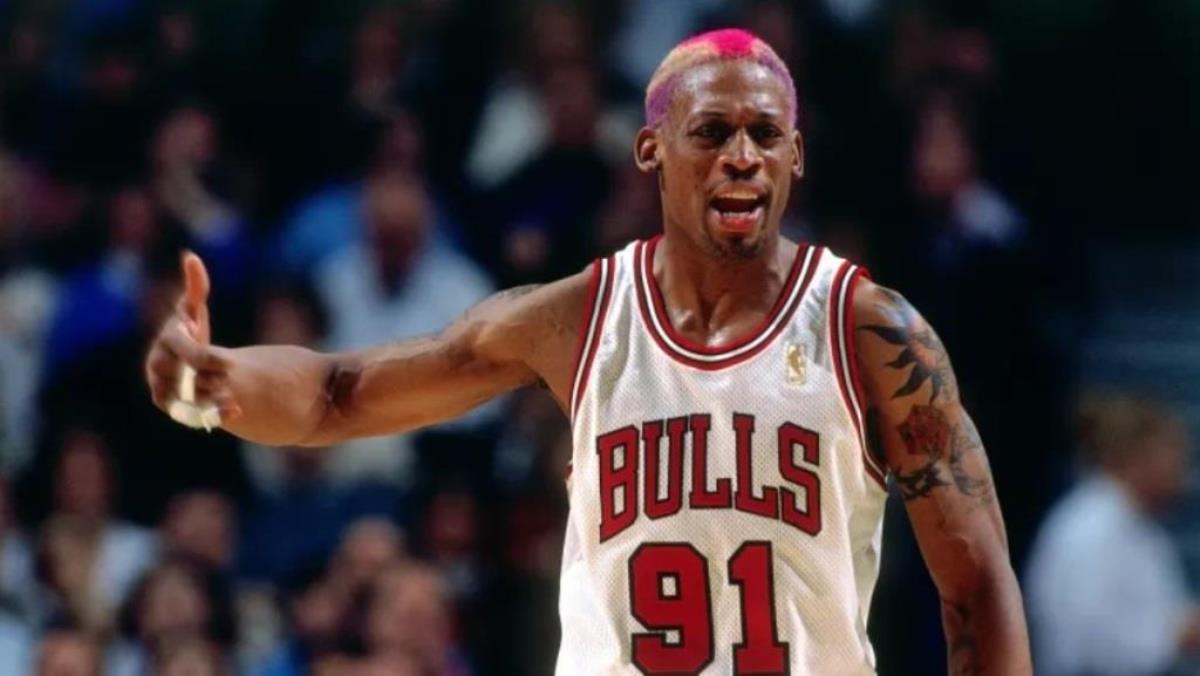
Dennis Rodman’s impact on the Pistons was immediate. He formed a dominant defensive unit alongside Bill Laimbeer and John Salley, leading the team to back-to-back championships in 1989 and 1990. While his rebounding was unmatched, his fiery personality and off-court antics often grabbed headlines. He dyed his hair in flamboyant colors, clashed with coaches and officials, and developed a reputation as a basketball badboy.
In 1993, Rodman joined the San Antonio Spurs, further solidifying his rebounding dominance. However, his desire for individuality continued to clash with team norms. In 1995, he infamously left the team mid-season to wrestle in Japan, showcasing his unpredictable nature and independent spirit.
In 1995, a surprising move brought Rodman to the Chicago Bulls, joining forces with Michael Jordan and Scottie Pippen. Despite initial skepticism, Rodman’s unique skillset and willingness to embrace his role as a defensive specialist proved invaluable. His contribution was crucial in securing three consecutive championships for the Bulls, cementing his legacy as a basketball icon.
However, his off-court life remained headline fodder. He dated celebrities like Madonna and Carmen Electra, famously marrying the latter for a tumultuous 9 days. His impulsive actions and flamboyant appearances fueled his “bad boy” image, solidifying his status as a pop culture phenomenon.
Following his stint with the Bulls, Rodman’s basketball career continued in various leagues, but his personal life took center stage. He openly discussed his struggles with mental health, including anxiety and depression, revealing a vulnerability that resonated with many fans. He also admitted to using alcohol and drugs to cope, highlighting the complexities of his inner world.
In 2013, Rodman embarked on a diplomatic mission to North Korea, meeting with leader Kim Jong-un. This unexpected journey sparked global debate, with some praising his efforts at cultural exchange and others questioning his motives. Regardless of the interpretation, this episode showcased Rodman’s willingness to venture into uncharted territory.
Philanthropy and Activism
Dennis Rodman’s association with the Special Olympics dates back to 1995, sparking a genuine connection that continues to this day. He actively participates in games, interacting with athletes and spreading joy. In 2014, he became a Global Ambassador, using his platform to raise awareness and advocate for inclusion and empowerment of individuals with intellectual disabilities. His participation goes beyond mere appearances; he engages with athletes, fostering genuine connections and understanding. As Rodman himself stated, “It’s not about showing off. It’s about showing care.”
Rodman’s philanthropic endeavors extend beyond the Special Olympics. He has supported various organizations tackling critical issues like homelessness, hunger, and domestic violence. In 2004, he participated in the “Give Me Shelter” campaign, a celebrity initiative raising awareness for homelessness. He has also lent his voice to campaigns fighting against domestic violence, urging communities to break the cycle of abuse. These endeavors, while not as widely publicized as his trips to North Korea, highlight his genuine desire to contribute to social change.
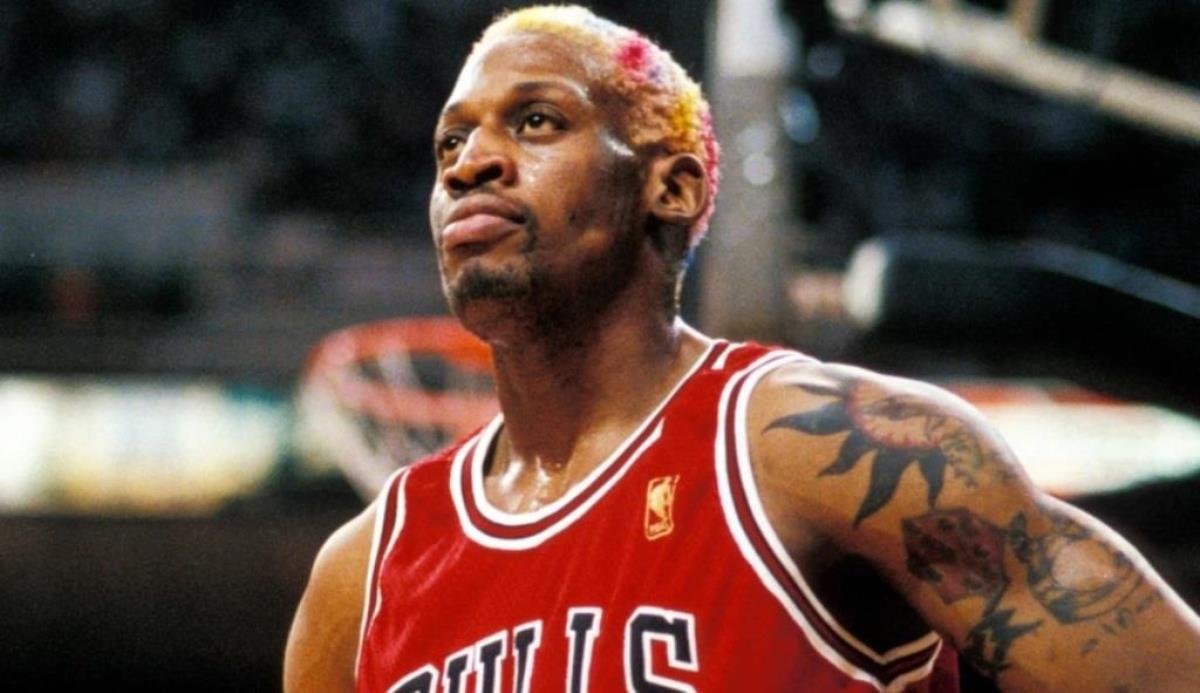
In 2018, Rodman embarked on a highly controversial trip to North Korea, meeting with leader Kim Jong-un. While criticized by many as legitimizing a repressive regime, Rodman defended his actions, claiming to use basketball as a bridge for cultural exchange and promoting peace. The trip sparked international debate, with opinions divided on its effectiveness and intentions. Regardless of the controversy, Rodman’s willingness to engage in unorthodox diplomacy sparked conversations about cultural understanding and dialogue, even if the long-term impact remains debatable.
Rodman has been a vocal supporter of LGBTQ+ rights throughout his career. He has openly discussed his own bisexuality, defying stereotypes and advocating for inclusivity. He frequently participates in pride parades, using his platform to celebrate diversity and challenge discrimination. His genuine support and willingness to champion the cause have earned him respect and appreciation from the LGBTQ+ community.
Dennis Rodman has openly spoken about his struggles with mental health, including anxiety and depression. He has used his platform to raise awareness and encourage others to seek help. In 2012, he partnered with the National Alliance on Mental Illness (NAMI) to share his story and encourage open conversations about mental health. His willingness to break the stigma surrounding mental illness has inspired many to seek support and prioritize their well-being.
Assets and Investments
Rodman’s NBA career spanned 12 seasons, with stints on iconic teams like the Detroit Pistons, San Antonio Spurs, and, most notably, the Chicago Bulls alongside Michael Jordan. His defensive prowess garnered him two NBA Defensive Player of the Year awards and five championship rings. These on-court triumphs translated to substantial financial rewards. During his playing days, Rodman amassed an estimated $27 million in salary, equivalent to roughly $43 million today.
Beyond his NBA earnings, Rodman capitalized on his unique image. He landed lucrative endorsement deals with renowned brands like Nike, AT&T, and MasterCard, further bolstering his income. He even dabbled in other ventures, appearing in films like “Double Team” and “Dennis Rodman’s Triple Threat,” and making guest appearances on wrestling shows.
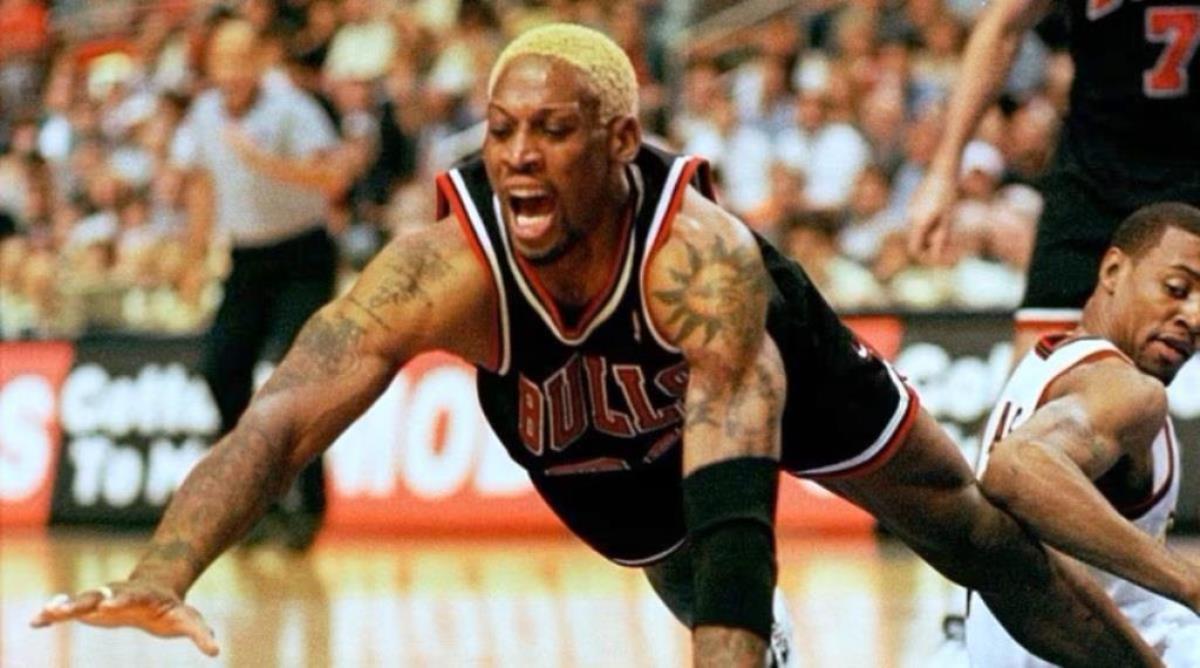
Dennis Rodman, ever the entrepreneur, ventured into various business endeavors. He launched the clothing line “Bad As I Wanna Be,” reflecting his rebellious spirit. He even partnered with AB Partners LLC to create “Bad Boy Vodka,” hoping to capitalize on his edgy persona. While some ventures, like his autobiography “Bad As I Wanna Be,” achieved moderate success, others like his restaurant chain “Dennis Rodman’s Sports Bar & Grill” faced closure.
Property investments played a role in Rodman’s portfolio. He owned a luxurious mansion in Newport Beach, California, a testament to his peak financial standing. However, reports suggest he eventually sold the property, hinting at potential financial adjustments.
Despite his earnings, Rodman faced financial challenges. His flamboyant lifestyle, marked by expensive cars, jewelry, and reported gambling habits, chipped away at his wealth. In 2012, his ex-wife sued him for child support arrears, highlighting financial strains.
Today, estimates of Rodman’s net worth are around $500,000. While this falls short of his career peak, it’s crucial to remember that net worth represents a snapshot, not a definitive measure of financial well-being. Rodman continues to make public appearances, including a recent reality show appearance, suggesting he has adapted and adjusted to his present financial reality.
Collaboration
Dennis Rodman’s vibrant personality and audacious fashion choices have always turned heads. Collaborations allowed him to express this on a larger scale. In the 1990s, he partnered with brands like Karl Kani and Champion, popularizing baggy clothing and bold colors.
A 2022 collaboration with LA-based brand MARKET took things further. The capsule collection, aptly named “The Worm’s World,” embodied Rodman’s essence. Vibrant graphic tees, cozy hoodies, and even homeware featured his iconic hairstyles, tattoos, and smiley face logo. “It’s not just basketball,” Rodman said, “it’s about individuality and expressing yourself.”
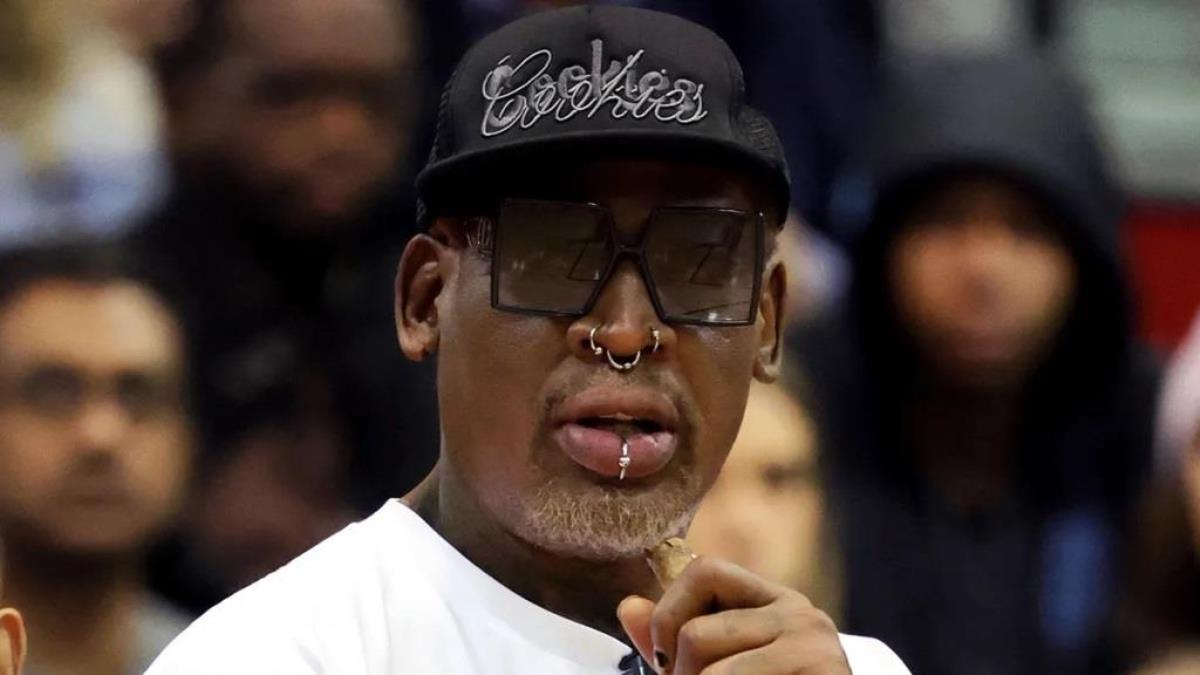
In 2021, Rodman teamed with Australian streetwear giant Culture Kings, releasing a line of apparel that paid homage to his basketball career and signature style. These collaborations solidified Rodman’s influence on fashion, not as a fleeting trend, but as a genuine expression of his unique individuality.
Dennis Rodman’s collaborations extend beyond fashion, delving into unexpected territories. In 2019, he partnered with Nike, re-releasing his iconic Air Force 1s after almost 20 years. This marked a significant return, reminding fans of his impact on basketball culture.
Perhaps his most controversial and intriguing collaboration came in 2013 when he visited North Korea and met with then-leader Kim Jong-un. While the intentions and outcomes remain debated, it undeniably thrust Rodman into the geopolitical spotlight, showcasing his willingness to engage in unconventional dialogues.
Through his collaborations, Rodman has transcended the boundaries of sport and fashion. He has challenged racial and cultural stereotypes, fostered understanding through dialogue, and inspired others to embrace their individuality.
“I was always the different one,” Rodman once said. “But that’s what makes me, me. And collaborations let me share that with the world.”
Awards and Nomination
Rodman’s basketball achievements are undeniable. His name is etched in the annals of NBA history, not just for his eccentric personality, but for his on-court prowess. The “Worm” amassed an impressive collection of hardware:
- Five NBA Championships: Two with the Detroit Pistons (1989, 1990) and three with the Chicago Bulls (1996, 1997, 1998). These titles showcased his invaluable contribution to championship-caliber teams, where his rebounding tenacity and defensive intensity proved critical.
- Two NBA Defensive Player of the Year Awards (1990, 1991): This prestigious honor, recognizing the league’s most impactful defender, went to Rodman twice. His relentless pursuit of rebounds and ability to shut down opposing stars were unmatched.
- Seven NBA All-Defensive First Team Selections (1989-1993, 1995-1996): This feat further underlines Rodman’s defensive dominance. He earned first-team honors seven times, solidifying his reputation as an all-time defensive great.
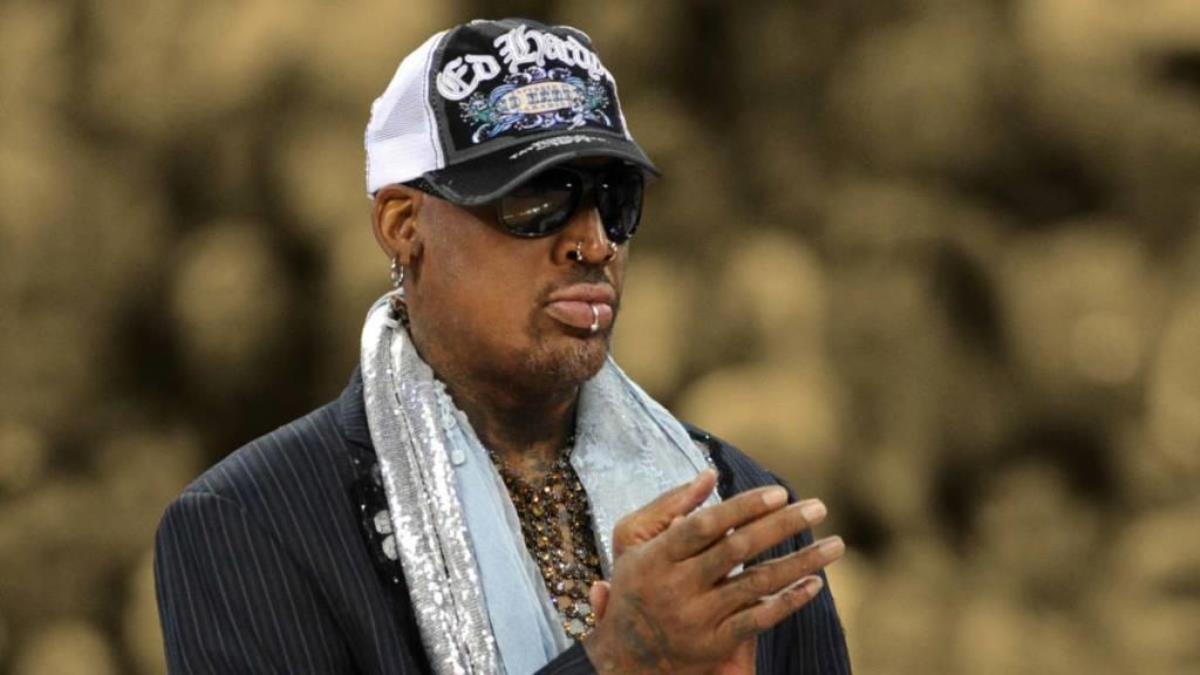
- Two NBA All-Defensive Second Team Selections (1994, 1997): Even when he fell short of the first team, Rodman remained a defensive force, earning second-team recognition twice.
- Two NBA All-Star Appearances (1990, 1992): While not known for his offensive prowess, Rodman’s rebounding brilliance earned him recognition among the league’s elite, culminating in two All-Star selections.
- FIBA World Championship Gold Medal (1994): Rodman contributed to the gold medal-winning US team at the 1994 FIBA World Championship, demonstrating his talent on the international stage.
- NBA 75th Anniversary Team (2021): This prestigious selection celebrates the 75 greatest players in NBA history, and Rodman’s inclusion solidified his place among basketball’s legends.
Beyond the basketball court, Rodman dabbled in acting, leaving his mark on cinema…albeit not always in the way he may have hoped. While his acting prowess wasn’t universally acclaimed, his ventures garnered some unique “recognition”:
- Razzie Award Nominations (1997): Rodman’s performance in the action film “Double Team” earned him nominations for Worst Supporting Actor and Worst New Star at the Golden Raspberry Awards, often referred to as the “Razzies,” which celebrate the worst in film.
- Razzie Award Nomination (2000): His acting career didn’t fare much better with his nomination for Worst New Star of the Decade, again courtesy of the Razzies.
While these nominations may not be the kind athletes typically strive for, they undeniably mark a unique chapter in Rodman’s story.
Also Read: How Much Did Damar Hamlin Earn? Career Earnings and Net Worth
Significant Life events
Born in 1961 in Trenton, New Jersey, Rodman’s childhood was marked by instability. His father abandoned the family, leaving him and his two sisters to be raised by a single mother. Basketball became his escape, a haven where his raw talent shone brightly. Despite academic struggles, his rebounding prowess blossomed at Southeastern Oklahoma State University. There, he led the nation in rebounds for two consecutive years, catching the attention of NBA scouts.
The Detroit Pistons drafted Rodman in 1986, ushering in his professional career. He found his niche with the iconic “Bad Boys” team, known for their aggressive, physical play. Despite initial clashes with coach Chuck Daly, Rodman’s relentless rebounding and defensive intensity proved invaluable. He played a pivotal role in their back-to-back championships in 1989 and 1990, solidifying himself as one of the league’s top rebounders.
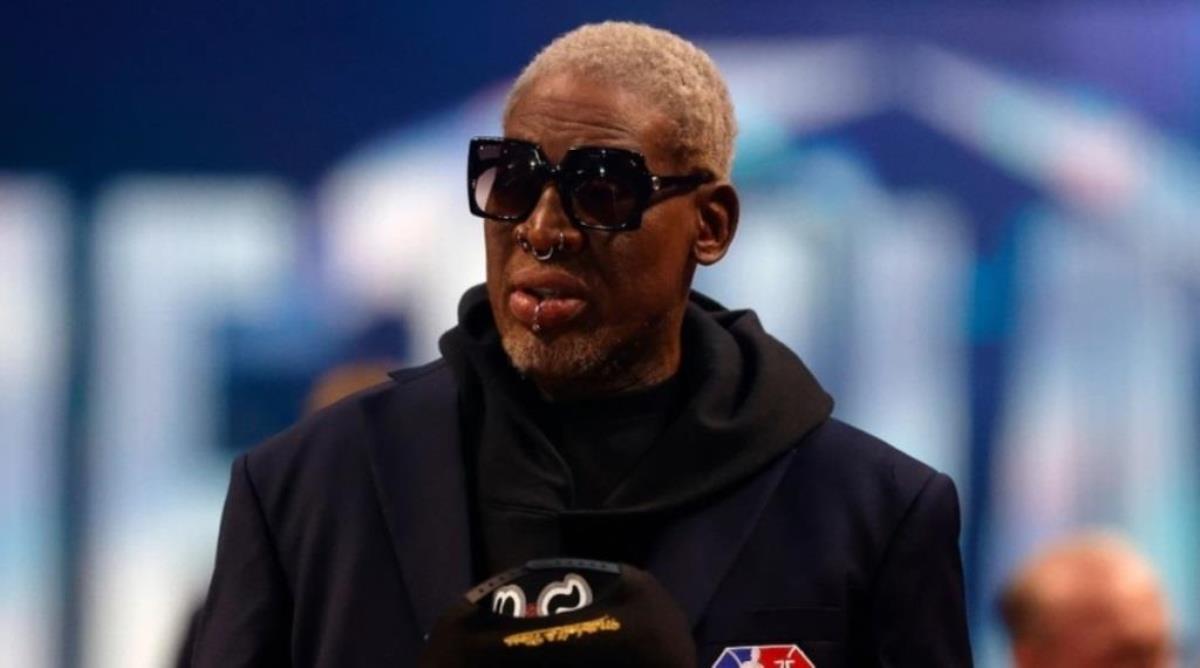
In 1993, a trade sent Rodman to the San Antonio Spurs. This marked a turning point, where his eccentric personality began to manifest more openly. He dyed his hair outrageous colors, embraced tattoos, and developed a rebellious streak. On the court, however, his dedication remained. He led the league in rebounds for the first of seven consecutive seasons and helped the Spurs reach the playoffs.
In 1995, another unexpected trade brought Rodman to the Chicago Bulls, forming a “superteam” alongside Michael Jordan and Scottie Pippen. Despite initial skepticism about his fit, Rodman’s unique skillset proved invaluable. He focused on rebounding and defense, allowing Jordan and Pippen to flourish offensively. Their chemistry, both on and off the court, led to three historic championships (1996, 1997, 1998), etching their names in basketball history.
Rodman’s life transcended the basketball court. He embraced his individuality, often making headlines for his unconventional actions. From wrestling in Japan during the NBA playoffs to his infamous trip to North Korea, he defied expectations and courted controversy. He appeared in movies, and reality shows, and even had his wrestling career, pushing the boundaries of celebrity culture.
Impact and legacy
Rodman had a troubled childhood marked by his father’s abandonment and a strained relationship with his mother. He found solace in basketball, developing a fierce work ethic and an uncanny ability to anticipate rebounds. Despite setbacks like being cut from his high school team and a turbulent college career, his talent eventually caught the eye of the Detroit Pistons in 1986.
Rodman quickly established himself as a defensive force, earning the nickname “The Worm” for his tenacious rebounding and unorthodox tactics. He led the league in rebounds per game for a record seven consecutive seasons, becoming a key cog in the Pistons’ “Bad Boys” era. Alongside Isiah Thomas and Bill Laimbeer, Rodman helped Detroit secure NBA championships in 1989 and 1990, showcasing his defensive prowess and becoming a fan favorite despite his fiery personality.
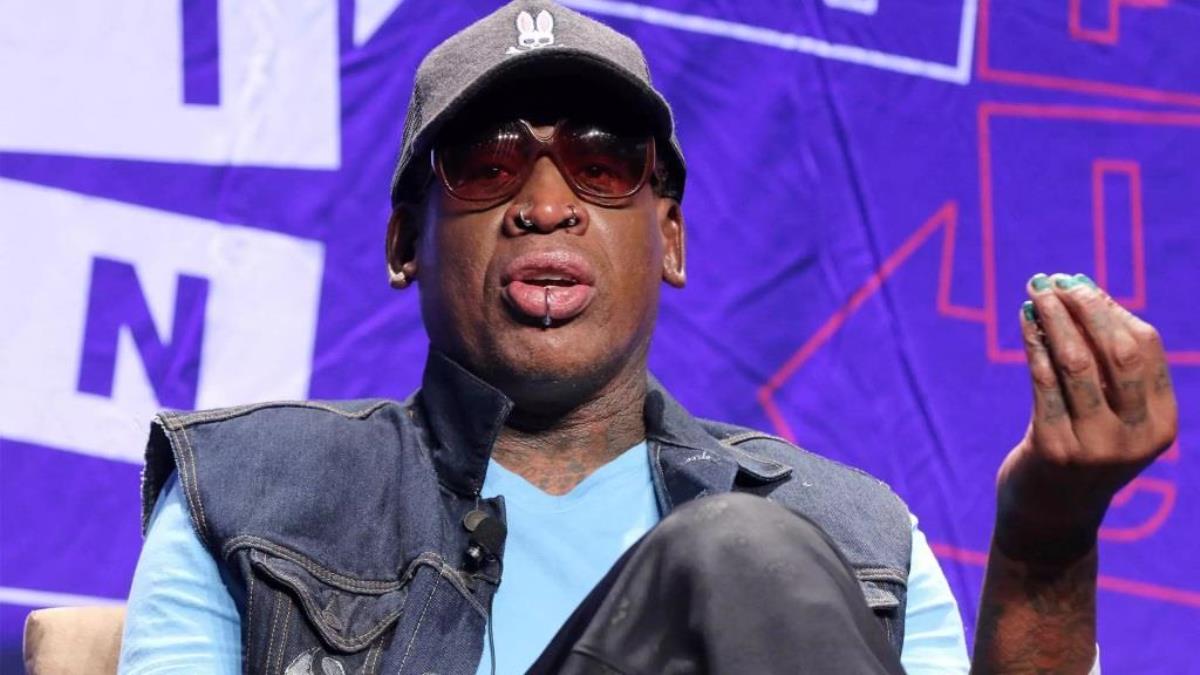
In 1995, Rodman embarked on a new chapter, joining the Chicago Bulls dynasty led by Michael Jordan and Scottie Pippen. Despite initial skepticism, Coach Phil Jackson recognized Rodman’s unique value and integrated him into a team already poised for greatness. His rebounding and defensive intensity proved crucial, contributing significantly to the Bulls’ “second three-peat” of NBA championships in 1996, 1997, and 1998.
While Rodman thrived on the court, his off-court life became increasingly headline-grabbing. His colorful hair, tattoos, and flamboyant outfits challenged traditional notions of athlete decorum. He courted controversy with public altercations, brushes with the law, and high-profile relationships. Perhaps most notably, he formed an unlikely friendship with North Korean leader Kim Jong-un, sparking international discussions about cultural diplomacy and celebrity influence.
Dennis Rodman’s legacy cannot be neatly summarized. He is a five-time NBA champion, a two-time Defensive Player of the Year, and one of the greatest rebounders in basketball history. But his impact extends far beyond the court. He challenged societal norms, defied expectations, and paved the way for athletes to express their individuality. While his off-court behavior often overshadowed his achievements, it also ignited conversations about mental health, personal agency, and the evolving role of athletes in society.
Today, Dennis Rodman remains a polarizing figure, sparking debate and discussion. However, there’s no denying his significant influence on basketball and popular culture. From his on-court dominance to his off-court eccentricities, he forever changed the landscape of professional sports, leaving a lasting legacy that continues to be debated and celebrated.
FAQs
What is Dennis Rodman’s net worth?
Dennis Rodman’s estimated net worth is around $500 Thousand. This figure is accumulated through his successful basketball career, endorsements, and various business ventures.
How tall is Dennis Rodman?
Dennis Rodman is 6 ft 7 in (2.01 m) tall.
Where was Dennis Rodman born and raised?
Dennis Rodman was born on May 13, 1961, in Trenton, New Jersey. He grew up in a challenging environment with an absent father and financial difficulties.
Did Dennis Rodman go to college?
After attending two different junior colleges, Dennis Rodman transferred to Southeastern Oklahoma State University, where he played basketball and gained national recognition.
What is Dennis Rodman’s personality like?
Dennis Rodman is known for his eccentric personality, often expressing himself through flamboyant hairstyles, tattoos, and piercings. He has also been described as outspoken and unpredictable.
Does Dennis Rodman have any children?
Yes, Dennis Rodman has three children: Alexis (from his relationship with Annie Bakes), Trinity (from his relationship with Carmen Electra), and Dennis Jr. (from an unknown relationship).
Was Dennis Rodman ever married?
Yes, Dennis Rodman has been married twice. His first marriage was to Annie Bakes in 1988, which lasted only 82 days. His second marriage was to Carmen Electra in 1998, which lasted nine days before being annulled.
Does Dennis Rodman have any siblings?
Yes, Dennis Rodman has two older sisters, Debra and Kim.
What teams did Dennis Rodman play for in the NBA?
Dennis Rodman played for the Detroit Pistons, San Antonio Spurs, Chicago Bulls, Los Angeles Lakers, Philadelphia 76ers, and Dallas Mavericks throughout his NBA career.
Why was Dennis Rodman such a good rebounder?
Dennis Rodman’s exceptional rebounding ability stemmed from his relentless work ethic, unique anticipation skills, and understanding of angles on the court.
Did Dennis Rodman collaborate with anyone outside of basketball?
Yes, Dennis Rodman has participated in various collaborations outside of basketball, including appearances in movies like “Double Team” and “Rodman: For Better or Worse,” reality shows like “Celebrity Apprentice,” and wrestling matches with WCW.
How many NBA championships did Dennis Rodman win?
Dennis Rodman won two NBA championships with the Detroit Pistons (1990) and three with the Chicago Bulls (1996, 1997, 1998).
Did Dennis Rodman receive any individual NBA awards?
Yes, Dennis Rodman was a seven-time All-Defensive First Team selection, a two-time NBA Defensive Player of the Year (1990, 1991), and led the NBA in rebounds per game for a record seven consecutive seasons (1992-1998). He was also inducted into the Naismith Memorial Basketball Hall of Fame in 2011.
Did Dennis Rodman experience any significant challenges in his life?
Yes, Dennis Rodman has openly discussed his struggles with mental health, including a well-publicized suicide attempt in 1993. He has also faced criticism for his controversial actions and public image throughout his career.
What are some of Dennis Rodman’s most notable achievements outside of basketball?
While not universally celebrated, Dennis Rodman’s trips to North Korea in 2013 and 2014 to meet with leader Kim Jong-un generated significant media attention and created a unique chapter in his life story.
What are some of the controversies Dennis Rodman has been involved in?
Dennis Rodman has faced controversy throughout his career for various reasons, including his public arguments and disagreements with teammates and coaches, his flamboyant fashion choices and behavior, and his trips to North Korea.
How have the controversies surrounding Dennis Rodman impacted his legacy?
The controversies surrounding Dennis Rodman have undoubtedly shaped public perception of him. While some admire his individuality and willingness to break the mold, others view him negatively due to his actions and the attention they generate.
What is Dennis Rodman up to now?
While Dennis Rodman remains a public figure, he is not actively involved in professional basketball. He occasionally participates in public appearances, interviews, and business ventures.
Where can I learn more about Dennis Rodman?
You can learn more about Dennis Rodman through various resources, including his autobiography “Bad As I Wanna Be,” documentaries like “Rodman: For Better or Worse,” and numerous online articles and interviews.
Why was Dennis Rodman nicknamed “The Worm”?
The nickname “The Worm” was given to Dennis Rodman by his college coach due to his relentless hustle and unique ability to maneuver around opponents on the court to secure rebounds and loose balls.