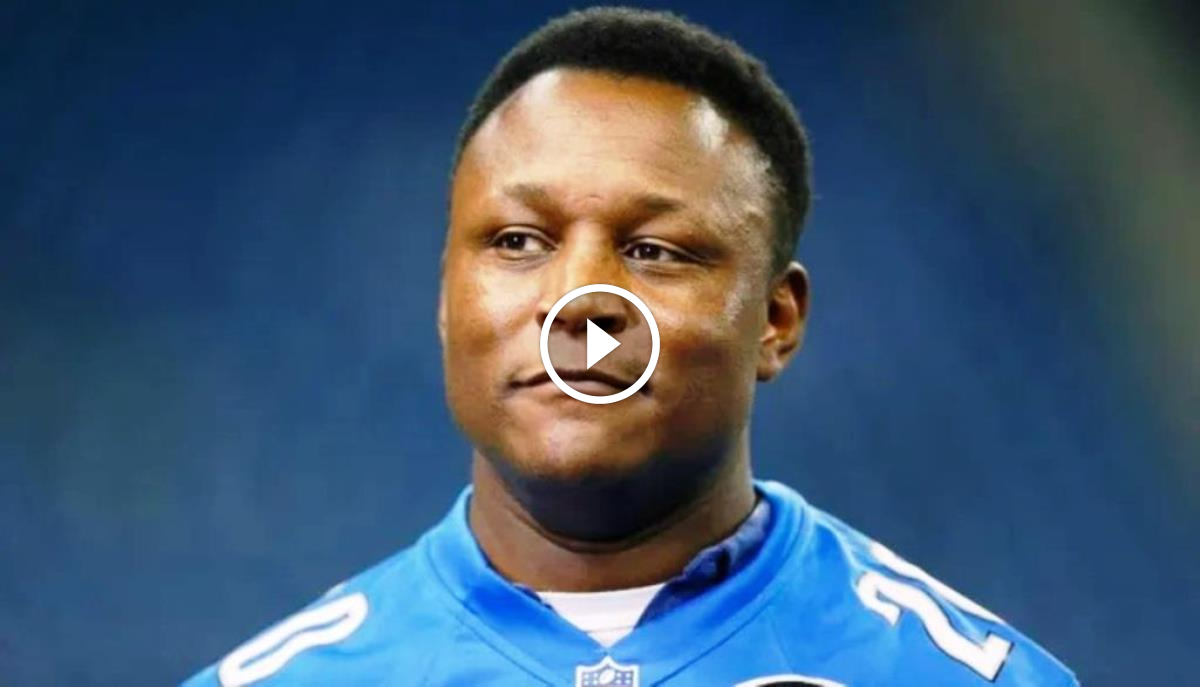
Barry Sanders, the elusive NFL legend known for his dazzling runs and early retirement, boasts an estimated net worth of $8 million. Born William Barry Sanders Jr. on July 6, 1968, in Wichita, Kansas, he spent his 40s dazzling audiences with his speed and agility on the field for the Detroit Lions. Although his playing career spanned only 10 seasons, his impact remains significant.
Today, at 55, he enjoys a comfortable life from his on-field earnings, lucrative endorsements, and wise investments. While the exact breakdown of his net worth isn’t public knowledge, he’s known for his savvy financial decisions, solidifying his place as a football icon on and off the field.
| Net Worth | $8 Million |
| Name | Barry Sanders |
| Birth Date | July 16, 1968 |
| Birthplace | Wichita, Kansas, USA |
| Height | 5 ft 8 in (1.73 m) |
| Eye Color | Brown |
| Hair Color | Black (now salt and pepper) |
| Occupation | Former American Football Player NFL (Running Back) |
| Years Active | 1989-1998 |
| Spouse | Current – Sandra DeShawn Bentley (m. 2020); Previous – Cynthia Hayden (m. 1989-2014) |
| Children | Three sons: Barry Sanders Jr., Egarian Sanders, and Anthony Sanders |
| Parents | William Sanders and Carrie Sanders |
| Siblings | Three sisters: Brenda, Vicki, and Cheryl |
| Ethnicity | African American |
| Nationality | American |
| Religion | Christian |
| Awards | NFL Most Valuable Player (1997) 2x NFL Offensive Player of the Year (1994, 1997) NFL Offensive Rookie of the Year (1989) 6x First-team All-Pro 10x Pro Bowl Heisman Trophy (1988) College Football Hall of Fame |
| Real Estate | Owns several properties in Michigan and Oklahoma |
| Cars | Known to be private about his car collection |
| Links | Wikipedia Pro-Football-Reference Britannica |
What is Barry Sanders’s Net Worth?
Barry Sanders’s net worth is estimated to be $8 million. Sanders’ footballing destiny unfolded at Oklahoma State University. In 1988, he etched his name in history with a record-shattering season, bagging the Heisman Trophy and amassing an astonishing 2,628 rushing yards, a feat unmatched for decades. The Detroit Lions, recognizing his potential, drafted him in 1989, igniting a decade of brilliance.
In his 10 seasons with the Lions (1989-1998), Sanders redefined the running back position. He led the league in rushing yards four times, becoming the only player in NFL history to do so in three consecutive seasons (1994-1996). His elusive moves and vision earned him the nickname “Barry Sanders, the man who can go up a wall and make a right turn,” capturing his uncanny ability to disappear through tackle attempts.
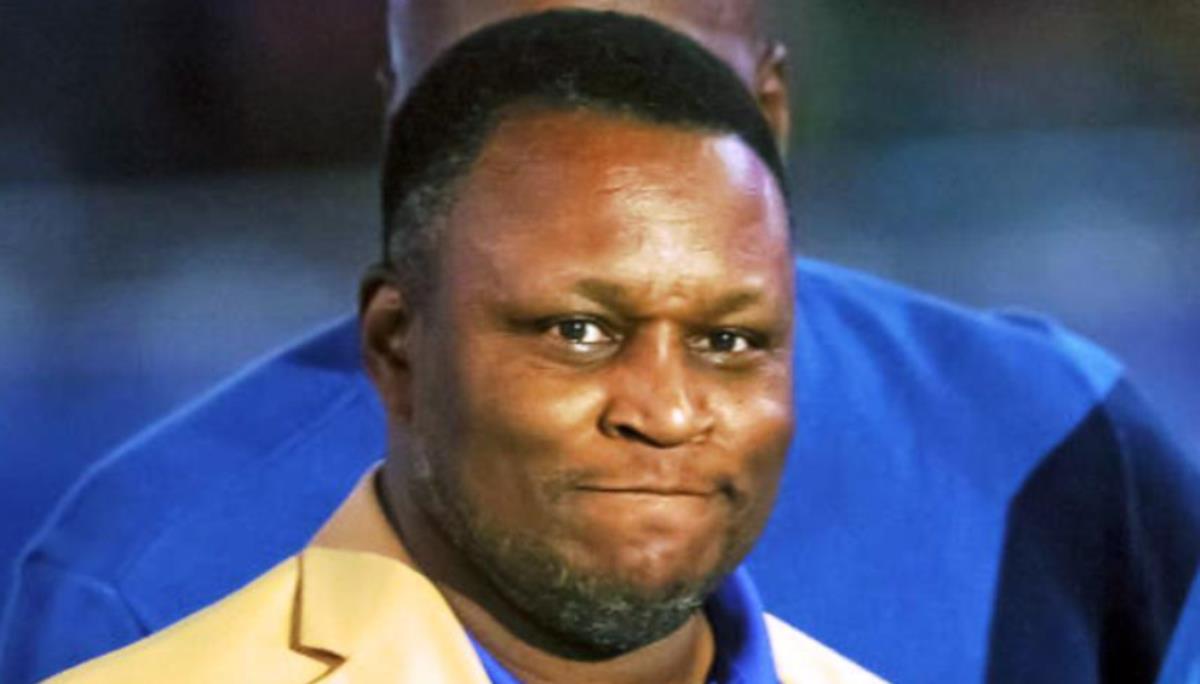
Accolades rained down on him: 10 Pro Bowls, 6 First-Team All-Pro selections, the 1997 MVP award, and induction into the Pro Football Hall of Fame in 2004. Yet, in 1999, at the prime of his career, he shocked the world by abruptly retiring, citing concerns about his personal life and the team’s lack of competitiveness.
While his playing career was relatively short, Sanders’ financial acumen has ensured his long-term security. His NFL earnings, estimated to be over $50 million, formed the foundation. But he didn’t stop there.
Recognizing his star power, brands like Nike, Pepsi, and Kellogg’s partnered with Sanders. These deals, though details remain undisclosed, undoubtedly added to his wealth.
Sanders, known for his intelligence and foresight, reportedly ventured into real estate, stocks, and bonds. While specific details are unavailable, his calculated approach suggests his investments have contributed significantly to his net worth.
Early Life and Education
Born on July 16, 1968, as the seventh of eleven children, Sanders’ life was steeped in the values of hard work and discipline instilled by his parents, William and Shirley. Growing up in a modest household, he learned the importance of resourcefulness and perseverance, qualities that would later translate into his exceptional athleticism.
Sanders’ athletic prowess manifested early. He excelled in football, basketball, and baseball, showcasing his natural agility and coordination. However, his stature, standing at 5’8″, initially limited his opportunities on the football field. Despite playing defensive back throughout most of his high school career, his talent was undeniable. In his senior year, a chance opened up when the starting running back was suspended. Stepping into the role, Sanders erupted, rushing for a staggering 1,417 yards in just five games, turning heads and earning a scholarship to Oklahoma State University.
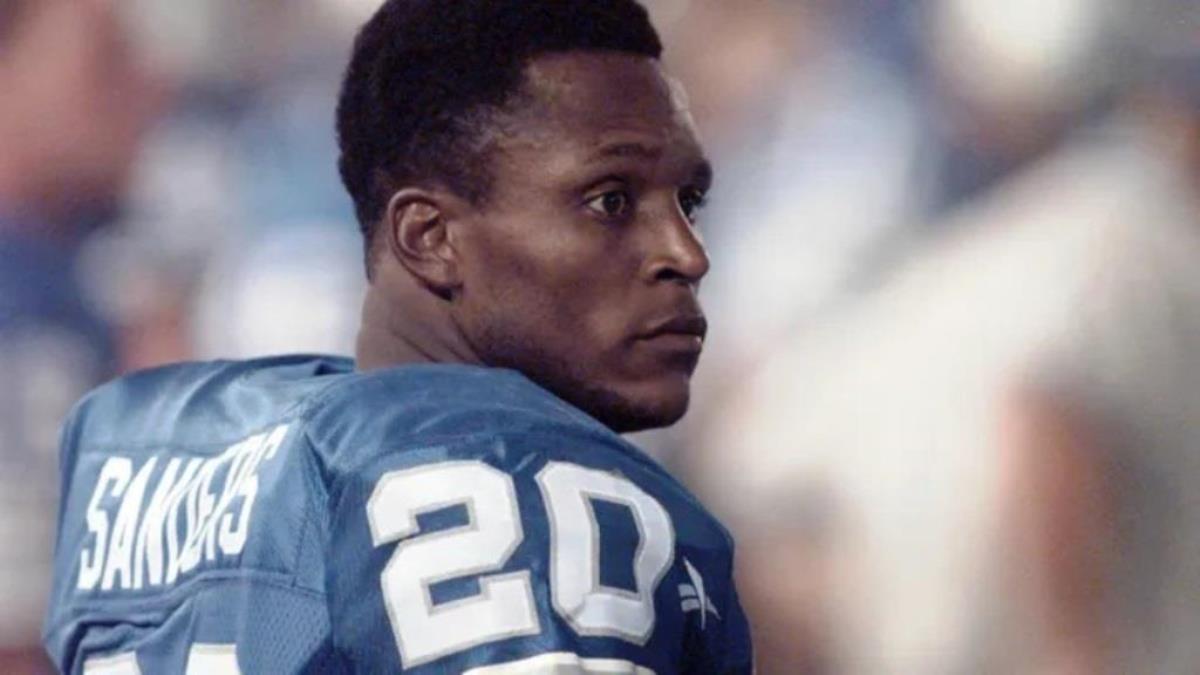
Arriving at Oklahoma State in 1986, Sanders found himself behind Thurman Thomas, a talented senior running back. Despite limited playing time, he honed his skills, patiently waiting for his chance. His dedication paid off in 1987, when he led the nation in kickoff return yards while showcasing his versatility with rushing and receiving touchdowns.
The 1988 season marked a turning point for Sanders. With Thomas graduating, he finally took center stage. His electrifying runs, characterized by shifty moves and an uncanny ability to avoid tackles, captivated audiences. He shattered the NCAA single-season rushing record with 2,628 yards, averaging a remarkable 7.6 yards per carry. His dominance extended beyond the ground, as he returned punts and kickoffs with breathtaking skill. The accolades poured in, culminating in the prestigious Heisman Trophy, awarded to the nation’s best college football player.
Sanders’ achievements went beyond statistics. He was known for his humility and work ethic. He shunned the spotlight, preferring to let his performance speak for itself. His dedication to the team and his genuine love for the game resonated with fans and teammates alike.
Personal Life
Sanders was the seventh of eleven children. His father, William, instilled a strong work ethic in his children, often taking them along on his roofing and carpentry jobs. These early experiences shaped Sanders’ character, nurturing his dedication and perseverance. Family played a pivotal role in his life, as evidenced by his siblings’ unwavering support throughout his athletic journey. In a 2022 interview, Sanders fondly recounted how his brothers would push him during grueling workouts, preparing him for the rigors of professional football.
In 2000, Sanders found love with Lauren Campbell, and they started a family. Their son, Barry James, followed in his father’s footsteps, playing football at Stanford and Oklahoma State before embarking on a career in sports marketing. In addition to Barry James, Sanders has three other sons from his marriage: Nicholas, Nigel, and Noah. Despite their separation in 2012, Sanders remains actively involved in his sons’ lives, cherishing the moments spent with them.
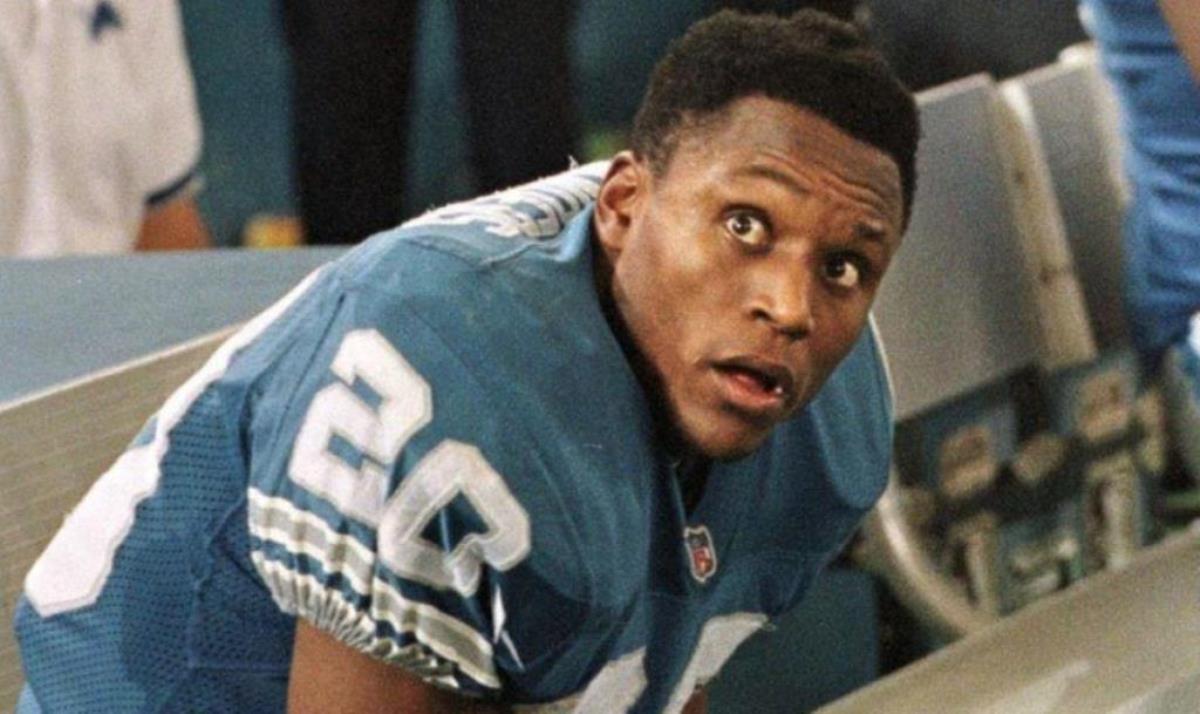
In 1999, at the peak of his career and mere yards away from surpassing Walter Payton’s rushing record, Sanders abruptly retired from football. This decision, met with shock and confusion by fans, stemmed from his desire for a simpler life and more time with his family. He shunned the spotlight, retreating from the public eye and choosing to live a life away from the pressures of professional sports.
Sanders’ commitment to making a difference extends beyond the football field. He established the Barry Sanders Foundation in 1998, aiming to empower underserved communities by providing educational opportunities and fostering youth development. Through various initiatives, the foundation helps young people reach their full potential, aligning with Sanders’ belief in the transformative power of education.
Despite his immense popularity, Sanders remains fiercely protective of his privacy. He rarely grants interviews and avoids social media, preferring to live a life away from the glare of publicity. This quiet existence allows him to focus on personal growth and introspection, valuing the simple pleasures of family, nature, and quiet contemplation.
Philanthropy and Activism
Education held a special place in Sanders’ heart, shaped by his own experiences and a belief in its transformative power. In 1998, he established the Barry Sanders Foundation, aiming to bridge the opportunity gap for underprivileged students. The foundation awards scholarships, supports educational programs, and promotes literacy initiatives, impacting countless lives. In 2004, Sanders donated a substantial sum to his alma mater, Oklahoma State University, establishing the Barry Sanders Football Center, a testament to his enduring connection to his educational roots.
Sanders’ compassion extends to protecting the most vulnerable: children. He partnered with organizations like Child Abuse and Neglect International (CANI) to raise awareness and advocate for stronger child protection measures. His public pronouncements against child abuse resonated deeply, empowering others to speak up and take action. His commitment to creating a safe and nurturing environment for children continues to inspire and motivate.
In the fight for racial equality, Sanders has consistently used his platform to advocate for justice and address systemic inequities. He actively participated in marches and protests, lending his voice to movements like Black Lives Matter. His unwavering stance against discrimination resonates with audiences, reminding us of the ongoing struggle for a more equitable society.
Recognizing the plight of the homeless population, Sanders actively supports organizations providing essential services and shelter. He has volunteered his time at homeless shelters, personally interacting and offering words of encouragement to those facing challenging circumstances. His empathetic approach highlights the importance of human connection and community support in addressing homelessness.
As an advocate for environmental protection, Sanders actively supports organizations working to preserve the planet. He recognizes the impact of climate change and encourages sustainable practices. His voice adds to the growing chorus calling for action to protect our environment for future generations.
Assets and Investments
Drafted by the Detroit Lions in 1989, Sanders’ rookie contract set him on the path to financial success. His talent was undeniable, and his earnings grew steadily throughout his 10-year career. By the time he retired in 1999, he had amassed over $50 million in salary and bonuses, ranking him among the highest-paid running backs in NFL history.
Sanders wasn’t content to simply rest on his laurels. He understood the importance of diversification and began investing in various assets early on. His real estate portfolio, estimated to be worth around $10 million, showcases his strategic thinking. From a 200-unit apartment complex in Detroit to a luxurious vacation home in Palm Beach, Sanders carefully selected properties with long-term potential.
Beyond bricks and mortar, Sanders ventured into the world of stocks and bonds. While the exact details of his portfolio remain private, reports suggest investments in various bank stocks and tax-exempt municipal bonds. These choices indicate a focus on stability and generating income streams that would provide him with financial security well into the future.
Sanders’ success extends beyond individual investments. He leveraged his popularity to secure lucrative endorsement deals with renowned brands like Nike, Pepsi, and Kellogg’s. These partnerships not only boosted his income but also solidified his image as a marketable and trusted figure.
Unlike some athletes who fall prey to extravagant spending, Sanders’ approach has been one of measured growth and responsible management. He actively invests in his community, supporting various philanthropic initiatives. His commitment to financial literacy is evident in his partnership with the Detroit Lions to educate young athletes on responsible financial planning.
Collaboration
On the field, Sanders collaborated seamlessly with teammates, orchestrating defensive masterpieces. Take his iconic 1997 season, where alongside linebacker Deion Sanders (no relation), they formed a dominant duo, shutting down opposing offenses and propelling the Detroit Lions to a playoff run. Beyond the playing field, Sanders’ collaborative spirit shines through his work with young athletes. Partnering with camps and foundations, he shares his insights and techniques, inspiring the next generation of football stars.
Recognizing the value of strategic partnerships, Sanders has collaborated with renowned brands like BetMGM. As their Brand Ambassador, he leverages his influence to promote responsible gaming while engaging with fans in unique ways. This collaboration aligns with Sanders’ commitment to ethical conduct and connecting with his community.
Sanders’ artistry extends beyond the football field. He is a professor of English at Kalamazoo College, where he collaborates with students and fellow academics. Notably, his book-art projects involve collaborations with printmakers like Michael Woodcock, showcasing his creative depth and willingness to explore uncharted artistic territories.
Sanders’ collaborative spirit extends to the realm of philanthropy. He actively supports several charities, including the Detroit Lions Charities and the Children’s Miracle Network. Through these collaborations, he aims to empower children and communities, demonstrating his dedication to social responsibility.
Looking beyond individual partnerships, Sanders’ collaborative spirit extends to his approach to life. He consistently fosters connection, whether through mentorship, public appearances, or community engagement. This dedication to collaboration leaves a lasting impact, inspiring others to work together and create positive change
Awards and Nomination
Before captivating the NFL, Barry Sanders carved his name into collegiate history at Oklahoma State University. His dominance was evident from the very beginning, earning him the prestigious Jim Thorpe Award for the nation’s best defensive back in 1988. The following year, his offensive prowess came to the forefront, with the coveted Heisman Trophy recognizing him as the most outstanding college football player in 1988. This incredible feat cemented his status as a true two-way talent, a rare breed in the sport.
Drafted by the Detroit Lions in 1989, Barry Sanders embarked on a professional journey that redefined the art of running back play. His rookie season saw him earn the AP NFL Offensive Rookie of the Year award, a fitting prelude to the accolades that awaited him.
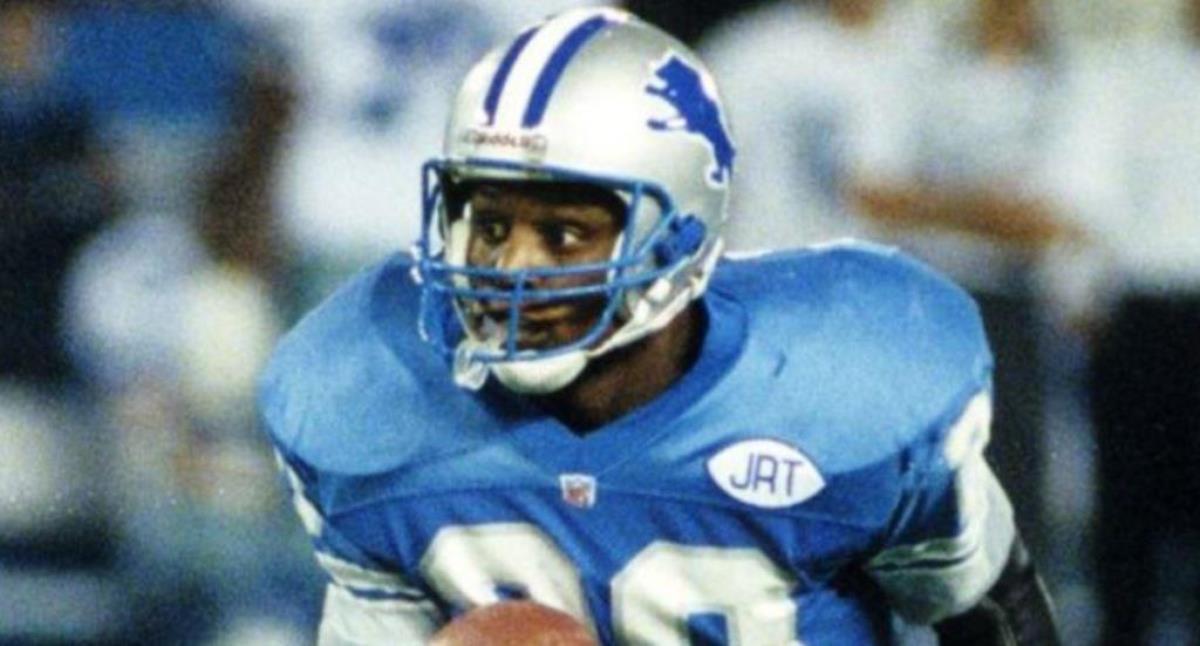
Throughout his 10-year NFL career, Barry Sanders amassed a staggering collection of awards and accolades, each symbolizing a peak of his remarkable abilities. Here are some notable highlights:
- 10 Pro Bowls (1990-1998, 2000): Selected by fans and sportswriters as one of the league’s best players at his position ten times throughout his career.
- 4 First-Team All-Pro Selections (1991, 1992, 1994, 1997): Recognized as the league’s top running back for four seasons, highlighting his dominance.
- 3 NFL Player of the Year Awards (1991, 1994, 1997): Voted the most outstanding player in the entire league, a remarkable achievement reserved for truly exceptional talents.
- 1 NFL Offensive Player of the Year Award (1997): Acknowledged as the most impactful offensive player in the league during the 1997 season.
While individual accolades stand tall, Barry Sanders’ legacy extends beyond personal achievements. He played a pivotal role in the Detroit Lions’ success, leading them to the playoffs five times and securing their only division title in the Super Bowl era (1991). His impact transcended individual stats, leaving a lasting mark on the team and its fans.
Even after his retirement in 2000, Barry Sanders continued to receive well-deserved recognition. In 2004, he was enshrined in the Pro Football Hall of Fame, joining the pantheon of football legends.
His impact on the game is undeniable. He holds the NFL record for most rushing yards per game (109.3), a testament to his explosive abilities. He also holds numerous franchise records for the Detroit Lions, solidifying his place as one of the team’s most iconic players.
Significant Life events
Born in 1968, Barry Sanders’ childhood was filled with the joy of playing football on dusty playgrounds. Despite initial doubts due to his smaller stature, his talent shone through. In high school, his explosive runs in his final year earned him a scholarship to Oklahoma State University. There, under coach Pat Jones, Sanders blossomed, shattering records and rewriting the NCAA rushing record book with a staggering 2,628 yards in 1988. This feat, coupled with his leadership and sportsmanship, earned him the prestigious Heisman Trophy, solidifying his status as a national collegiate star.
The Detroit Lions, recognizing the potential within this elusive runner, drafted Sanders with the 3rd overall pick in 1989. This marked the beginning of a decade of dominance for both player and team. Despite playing for a team struggling to find consistent success, Sanders became a beacon of hope, consistently leading the league in rushing yards four times and earning ten Pro Bowl selections. His jukes, spins, and bursts of speed left defenders grasping at air, earning him the nickname “The Lion King.”
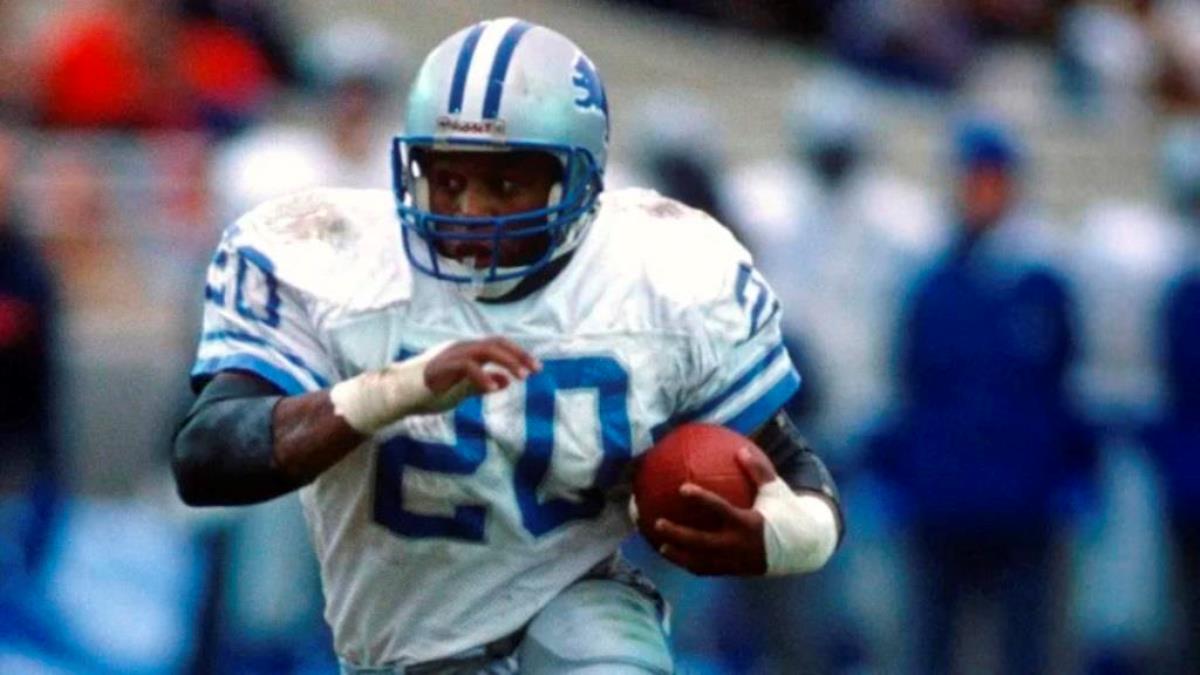
Sanders’ impact on the game transcended individual accolades. He set numerous NFL records, including the most rushing yards per game (109.3) and most rushing yards in a single season by a rookie (1,803). His electrifying runs captivated fans, transforming stadiums into arenas of awe and anticipation. In 1997, he was crowned MVP, further cementing his place among the NFL’s elite.
In 1999, at the peak of his career and with seemingly limitless potential, Sanders shocked the world by announcing his abrupt retirement. The exact reasons remain shrouded in mystery, but speculation points to his desire for a normal life and frustration with the team’s direction. This unexpected departure left fans heartbroken but ultimately respectful of his personal decision.
Sanders’ post-football life has been one of quiet contentment. He has remained involved in the sport through philanthropy, mentoring young athletes, and occasional commentary. His humility and dedication to personal growth have endeared him to fans even more. In 2004, he was inducted into the Pro Football Hall of Fame, a fitting tribute to his exceptional career.
Impact and legacy
Sanders’ athletic prowess was evident early on. He starred in both football and track & field at Wichita North High School, showcasing his exceptional vision, balance, and agility. He continued to shine at Oklahoma State University, shattering rushing records and leading the Cowboys to three bowl appearances. His electrifying performance earned him the prestigious Heisman Trophy in 1988, solidifying his status as a top prospect for the NFL.
Drafted by the Detroit Lions in the 1989 NFL Draft, Sanders embarked on a professional career that cemented his legend. Despite playing for a team lacking consistent success, his brilliance shone through. His elusiveness on the field earned him the nickname “Barry the Houdini,” as he weaved through defenders with unmatched grace and power. He racked up rushing yards at an astonishing rate, becoming the NFL’s all-time leading rusher (a record that still stands) with 15,233 yards in just 10 seasons. He averaged an incredible 1,523 yards per season, leaving opponents bewildered and fans awestruck. His impact went beyond numbers, as his presence instilled hope and excitement in a Detroit fanbase often starved for victories.
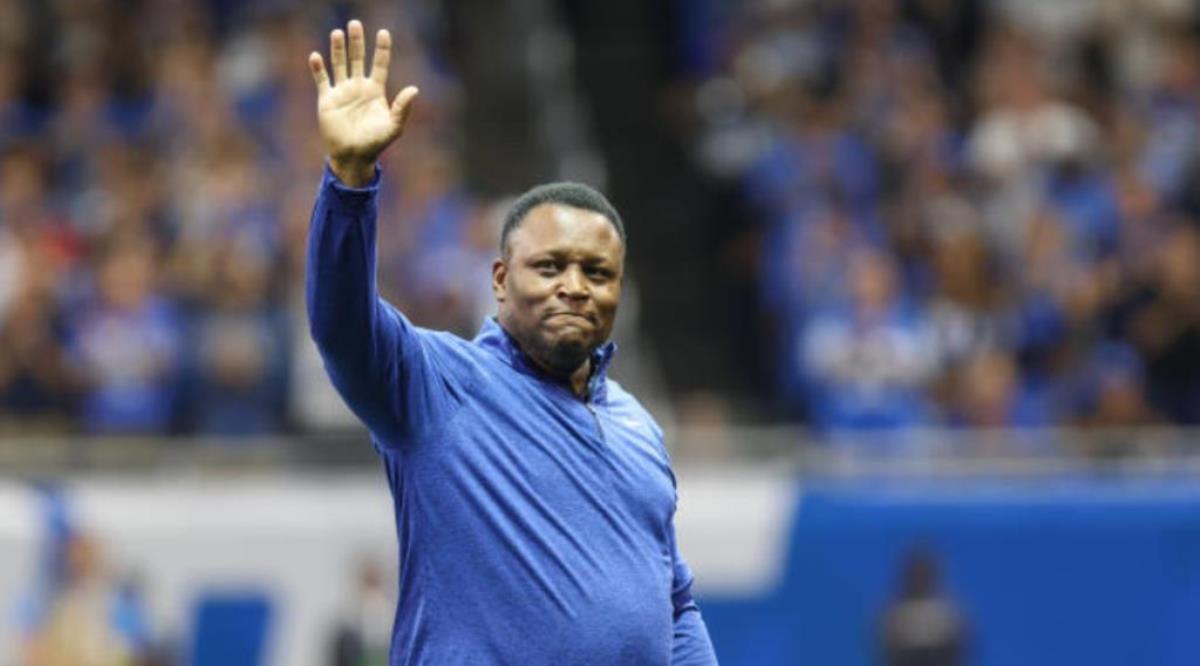
While statistics showcase Sanders’ dominance, his true impact lies in his unique approach to the game. He possessed a rare combination of vision, agility, and balance, allowing him to navigate through even the tightest gaps in the defense. His patience and understanding of leverage made him a master at setting up defenders for missed tackles, leaving them grasping at air as he darted past. His humility and quiet leadership off the field further endeared him to fans, creating a persona that transcended the sport.
In 1999, at the peak of his career and seemingly on track to break even more records, Sanders shocked the world by abruptly retiring from football. Despite speculation and rumors, his reasons remained personal, adding an air of mystery to his legend. He left behind a legacy that extends far beyond his on-field achievements. He inspired young athletes of all backgrounds with his work ethic and dedication, proving that greatness can be achieved regardless of circumstance. His impact on the game of football is undeniable, as his running style and vision continue to influence how the position is played today.
Even years after his retirement, Barry Sanders continues to captivate fans and analysts alike. His unique story, enigmatic personality, and unmatched talent ensure his place among the pantheon of NFL greats. Documentaries, biographies, and countless highlight reels keep his memory alive, introducing new generations to the magic of “Barry the Houdini.” His impact on the city of Detroit is immeasurable, with fans still chanting his name and cherishing the memories of his electrifying runs.
What is Barry Sanders’ net worth?
Barry Sanders’ net worth is $8 million. He earned a significant salary during his NFL career and has endorsement deals with various brands.
Where was Barry Sanders born and raised?
Barry Sanders was born in Wichita, Kansas, on July 16, 1968.
Did Barry Sanders play football in college?
Yes! He played running back for Oklahoma State University and won the Heisman Trophy in 1988.
Is Barry Sanders married?
Barry Sanders was married twice but is currently single. He has three children from his first marriage.
Where does Barry Sanders live now?
Barry Sanders lives a private life and does not share his current residence publicly.
Is Barry Sanders involved in any charities or causes?
Yes, Sanders supports various charities, including his own foundation, “Barry Sanders Second Chance,” which helps underprivileged youth.
For which NFL team did Barry play?
Barry Sanders played for the Detroit Lions for his entire 10-year career (1989-1998).
What are some of Sanders’ career achievements?
He holds multiple rushing records, including most rushing yards per game (99.8), most 1,000-yard rushing seasons (10), and most 2,000-yard rushing seasons (1). He also won the NFL MVP award in 1997.
Why did Barry Sanders retire early?
While the reason is not entirely clear, Sanders has mentioned dissatisfaction with the Lions’ lack of competitive success and a desire for a quieter life as contributing factors.
Has Barry Sanders collaborated with any other athletes or celebrities?
Yes, Barry has been featured in various documentaries and has collaborated with brands like Nike and Pepsi for endorsements.
How many Pro Bowls did Barry Sanders make?
Barry was selected to the Pro Bowl every year of his career (10 times).
Is Barry Sanders in the Hall of Fame?
Yes, Barry Sanders was inducted into the Pro Football Hall of Fame in 2004.
Has Barry won any other prestigious awards besides the NFL MVP?
Yes, he has received numerous awards, including the Heisman Trophy, Walter Camp Award, and Jim Brown Award.
Did Barry Sanders ever play in a Super Bowl?
No, unfortunately, the Detroit Lions did not reach the Super Bowl during Sanders’ career.
How did Sanders announce his retirement?
He left a note in his locker for the media, surprising fans and the league with his abrupt decision.
How is Barry Sanders remembered by fans and the NFL community?
He is widely considered one of the greatest running backs of all time, admired for his elusive running style, competitive spirit, and humble demeanor.
Does Barry Sanders have a statue or other memorials dedicated to him?
Yes, there are statues of Barry at both his high school and Oklahoma State University.
Did Barry Sanders ever celebrate a touchdown?
No, he did not celebrate touchdowns throughout his career.
How tall is Barry Sanders?
He is listed at 5′ 8″.
What is Barry Sanders’ nickname?
He is nicknamed “The Lion” and “Barry Sanders, the greatest of all time.”