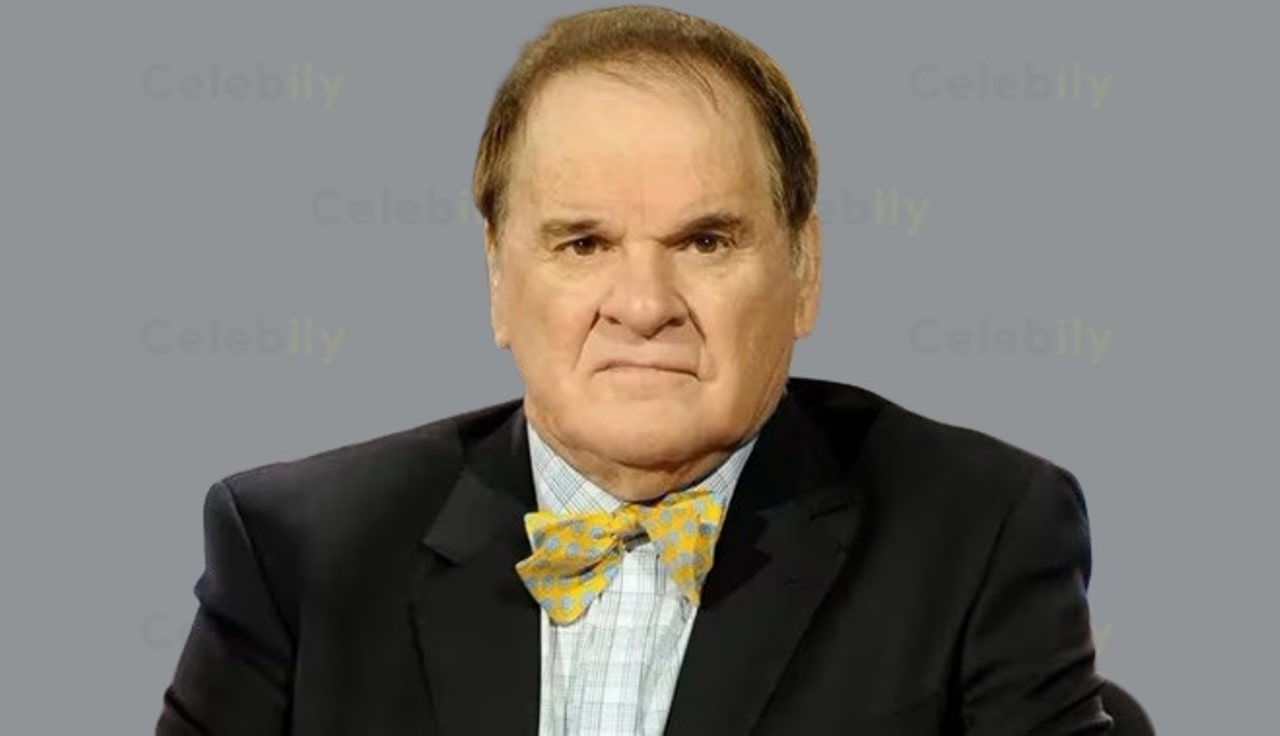
| Net Worth | $3 Million |
| Date of Birth | April 14, 1941 |
| Place of Birth | Cincinnati, Ohio, USA |
| Gender | Male |
| Height | 5′ 11″ (1.80 m) |
| Real Estate | Owns homes in Florida and Ohio |
| Awards | 3 batting titles, 1 NL MVP award, 12 All-Star selections, |
| Profession | Baseball player, manager, commentator |
| Nationality | American |
What is Pete Rose Net Worth?
Pete Rose’s net worth is estimated to be $3 million as of 2023. As baseball’s all-time hits leader, Rose raked in millions during his playing days and endorsements. He secured lucrative contracts, especially with the Philadelphia Phillies, where he won a World Series in 1980.
Rose’s betting scandal tarnished his legacy and led to his permanent ban from Major League Baseball in 1989. This impacted his earning potential, with lost endorsements and career opportunities. Rose parlayed his baseball fame into ventures like autograph signings, memorabilia sales, and appearances. He also faced financial setbacks, including lawsuits and gambling debts.
Baseball Career Highlights
Pete Rose. The name alone conjures images of a relentless hustler, a fearless base-runner, and a man forever etched in baseball lore. His career spanned an incredible 24 seasons, leaving behind a trail of records, accolades, and memories that continue to spark debate and ignite the hearts of baseball fans even after his retirement.
The crown jewel of Rose’s career stands unchallenged – his 4,256 hits, a record no player has come close to touching since he surpassed Ty Cobb’s mark in 1985. It’s a testament to his unwavering dedication, consistency, and sheer knack for putting bat to ball.
He also holds the record for most games played, with 3,562, a grueling testament to his durability and longevity in the sport. The sheer number of appearances on the diamond paints a picture of a player who consistently brought his A-game every single day.
Pete Rose’s record-setting spree extends to several other categories, including most at-bats, most times on base, and most seasons with 200 or more hits. Each record adds another brushstroke to the portrait of a player who dominated the game in multiple facets.
In 1973, Pete Rose achieved the coveted feat of leading the National League in batting average, home runs, and runs batted in – a testament to his well-rounded offensive prowess.
While Rose’s World Series career might not be his defining chapter, he did contribute to winning teams, including the 1975 Cincinnati Reds and the 1980 Philadelphia Phillies.
An MVP award in 1973 and 17 All-Star appearances further solidified his status as a player who consistently elevated his game to the highest level.
Beyond the cold statistics, Pete Rose’s legacy is defined by his hustle, his fire, and his unwavering determination. His headfirst slides, aggressive base-running, and infectious energy became his trademarks, inspiring teammates and captivating fans. He played the game with an unmatched passion, leaving everything he had on the field every single day.
It’s impossible to discuss Pete Rose’s career without acknowledging the controversial issue of his gambling on baseball, which ultimately led to his permanent ban from the Major Leagues in 1989. While his accomplishments on the field remain undeniable, this shadow hangs over his legacy, sparking ongoing debate and prompting introspection about the ethics of sportsmanship.

Salaries and Earnings in Baseball
Pete Rose, “Charlie Hustle” himself, maybe a controversial figure, but his impact on baseball and his wallet are undeniable. From rookie phenom to all-time hits record holder, Rose’s journey through the Major Leagues was paved with lucrative contracts, savvy decisions, and a hustle that extended far beyond the basepaths.
Rose entered the big leagues in 1963, starting with a modest $43,000 contract. But his talent blossomed quickly, and by 1969, he was commanding a cool $125,000, a significant sum for the era.
Throughout the 70s, Rose’s star power translated into ever-escalating salaries. He inked a three-year, $1.7 million deal with the Reds in 1975, becoming one of baseball’s highest-paid players.
In 1978, Pete Rose struck baseball gold. The Philadelphia Phillies lured him away with a four-year, $3.2 million contract, the richest deal in MLB history at the time. Adjusted for inflation, that translates to a whopping $11.7 million today!
This groundbreaking contract cemented Rose’s status as a financial superstar and paved the way for bigger paychecks for fellow players.
Pete Rose’s charisma wasn’t just for the diamond. He parlayed his fame into lucrative endorsement deals with sporting goods companies, soft drinks, and even fast food chains, further bolstering his bank account.
After his playing days, Pete Rose turned to managing, landing a $1 million deal with the Cincinnati Reds in 1986. His entrepreneurial spirit also led him to ventures like car dealerships and baseball camps, generating additional income.
Of course, Pete Rose’s legacy extends far beyond his bank account. He remains a baseball icon, his 4,256 hits are still an unrivaled record. But his financial journey also offers valuable lessons about the business of baseball, the power of negotiation, and the importance of diversifying income streams.
Endorsements and Commercial Ventures
Even before “Mr. Hustle” made a name for himself on the field, Pete Rose’s clean-cut image and infectious enthusiasm attracted brands. He landed deals with Kool-Aid, Wilson Sporting Goods, and Peter Paul’s Almond Joy candies. These early endorsements paved the way for lucrative partnerships later in his career.
As Pete Rose’s baseball stardom soared with the Cincinnati Reds’ powerhouse “Big Red Machine,” so did his endorsement game. Major brands like Procter & Gamble, Coca-Cola, and Hillerich & Bradsby (makers of Louisville Slugger bats) signed him up, leveraging his popularity to sell everything from laundry detergent to soft drinks to, natural, bats. These deals not only lined Pete Rose’s pockets but also solidified his image as an all-American hero.
Following his retirement, Rose’s hustle didn’t slow down. He partnered with companies like AstroTurf and McDonald’s, capitalizing on his enduring fame. He even launched his line of sports apparel, “Hit Man,” and a popular baseball video game series. These ventures, while not always home runs, showcased Pete Rose’s entrepreneurial spirit and continued to generate income.
However, Pete Rose’s career wasn’t without its shadows. The gambling scandal that led to his baseball ban also tarnished his brand image. Some companies, like Procter & Gamble, dropped him, while others distanced themselves. While it didn’t erase his past endorsements, the controversy undoubtedly impacted his future earning potential.
Despite the hiccups, Pete Rose’s foray into endorsements and commercial ventures remains a fascinating case study in athlete branding. He understood the power of his image and used it to build a diverse income stream beyond the ballpark. While the gambling scandal left a mark, Rose’s hustle and charisma continue to intrigue fans and marketers alike.

Legal Challenges and Impact
In 1989, Pete Rose admitted to betting on baseball, including on his team, the Cincinnati Reds. This blatant violation of baseball’s sacred trust resulted in a lifetime ban from the sport, effectively halting his lucrative playing career and endorsement deals. This sudden career derailment was the first blow to his financial security.
Beyond immediate salary losses, Rose missed out on a treasure trove of potential earnings. He was denied entry into the Baseball Hall of Fame, which translates to millions in lost merchandise royalties, appearances, and speaking fees. Additionally, many endorsement deals evaporated overnight, eroding his income streams further.
The legal saga wasn’t cheap. Rose’s fight against the ban and subsequent lawsuits for defamation and lost income incurred significant legal fees, chipping away at his financial reserves. While some legal battles brought in settlements, they likely paled in comparison to the wealth he potentially sacrificed with his actions.
Despite the hurdles, Rose wasn’t one to strike out financially. He leveraged his name recognition in ventures like baseball camps, autograph signings, and merchandise sales. While these enterprises provided income, they likely couldn’t match the magnitude of his baseball earnings.
Determining Rose’s exact net worth is as challenging as stealing home against Nolan Ryan. Estimates vary widely, ranging from several million dollars to tens of millions. The complexities of investments, debt, and the private nature of personal finances make pinning down a precise figure difficult.
The true impact of Rose’s legal troubles goes beyond mere dollars and cents. The ban tarnished his public image, casting a long shadow over his accomplishments and leaving fans disillusioned. This reputational damage undoubtedly affected his earning potential and overall financial trajectory.
Pete Rose’s story serves as a stark reminder of the consequences of violating ethical principles. His financial losses pale in comparison to the loss of trust and the indelible mark left on his legacy. While he may have found some financial success outside of baseball, it’s undeniable that his legal challenges significantly altered his financial path.
Autobiographies and Merchandising
From “Charlie Hustle” to “Hit King,” Pete Rose’s baseball legacy transcends statistics and controversies. While his on-field achievements solidified his place in history, his off-field pursuits, particularly in the realm of autobiographies and merchandising, paint a fascinating picture of financial acumen and enduring brand relevance.
Rose, the all-time hits leader, has penned a whopping 5 autobiographies, offering fans intimate glimpses into his life and career. “My Story” (1971) and “The World According to Pete” (1989) were early cash cows, capitalizing on his immense popularity. Even the shadow of gambling allegations couldn’t dim the interest in “Pete Rose: My Own Story” (2004), which topped The New York Times bestseller list. This consistent output speaks volumes about Rose’s understanding of personal branding and his ability to monetize his unique story.
But Rose’s financial savvy extends beyond the written word. His involvement in merchandising dates back to his playing days, with countless “Hit King” t-shirts, bats, and figurines flooding the market. His iconic blue collar, a symbol of his blue-collar work ethic, even spawned its line of apparel. Even after his gambling admission, Rose’s merchandise remains surprisingly popular, particularly among loyal Cincinnati Reds fans who cherish his record-breaking achievements.
This continued commercial success begs the question: how does Rose maintain relevance despite the gambling scandal that tarnished his image? The answer lies in a potent mix of nostalgia, his undeniable baseball prowess, and a shrewd understanding of marketing. Younger generations may not be aware of the controversy, viewing him solely through the lens of his baseball feats. For older fans, Rose’s memorabilia carries a bittersweet sentiment, a reminder of a golden era tinged with a touch of defiance.

Personal Appearances and Memorabilia
Forget retirement homes – Rose is hitting the road, attending baseball card shows, fan conventions, and corporate events. His celebrity draws crowds, with fans eager to shake the hand of the hit king, snag a signed photo, or hear him reminisce about his glory days. These appearances can fetch him anywhere from $5,000 to $25,000 per event, a sweet swing for any bank account.
Remember those dusty boxes of childhood baseball cards? Rose’s memorabilia is pure gold for collectors. Signed bats, jerseys, and photos command staggering prices, with some raking in tens of thousands of dollars at auctions. Rose himself even offers personalized video messages and “Hitting Lessons” on his website, further monetizing his brand.
Of course, it’s not all about the Benjamins. Rose’s public appearances keep him connected to the game he loves. He interacts with fans, inspires young players, and fuels speculation about his potential induction into the Baseball Hall of Fame. This continued engagement strengthens his public image and ensures his name remains relevant, further boosting his earning potential.
Let’s not forget the elephant in the room – Rose’s gambling controversy. While it led to his ban from Major League Baseball, it also added a layer of intrigue to his persona. It makes him the “bad boy” of baseball, the rebel who challenged authority, which ironically fuels his popularity with certain demographics. This notoriety, both positive and negative, keeps him in the spotlight, further driving interest in his appearances and memorabilia.
So, while Rose’s net worth may not be as stratospheric as some other athletic giants, his hustle is undeniable. He’s turned himself into a brand, monetizing his past achievements and legendary charm. From signing baseballs to captivating crowds at events, he’s found a winning formula. Pete Rose might not be playing ball anymore, but he’s still hitting grand slams in the business world, proving that the Hustle never truly retires.
Gambling Ventures
Pete Rose: baseball legend, hit king, and the only player banished from Major League Baseball. While his on-field achievements are etched in history, his gambling exploits cast a long shadow over his legacy, deeply impacting his financial standing and sparking endless controversy.
The rumors swirled for years, finally exploding in 1989 when an investigation confirmed Rose’s illegal gambits. He not only gambled but allegedly bet on his team, the Cincinnati Reds, a cardinal sin in baseball’s hallowed halls. This revelation triggered an earthquake in the sport, culminating in Rose’s lifetime ban from MLB in 1989.
The fallout was swift and brutal. Rose, stripped of his future earnings and endorsement deals, saw his net worth plummet. Gone were the lucrative TV contracts, the high-profile sponsorships, and the comfortable baseball retirement. Instead, legal battles and financial turmoil became his new reality.
Rose’s gambling scandal wasn’t just about money; it tarnished his reputation and severed his ties with the baseball community. The Hall of Fame, baseball’s ultimate honor, remains close to him despite holding the MLB record for most career hits. This exclusion likely means millions in lost induction bonuses and merchandise royalties.
Rose’s financial situation remains shrouded in some mystery. Estimates place his current net worth around $3 million, a far cry from the wealth he could have amassed with a regular baseball career. Lawsuits, failed business ventures, and reported tax issues have certainly taken their toll.
While Rose maintains his innocence, the evidence against him is undeniable. His gambling not only hurt his own pockets but also damaged the integrity of the sport he loved. The financial losses he suffered are a stark reminder of the high stakes involved in illegal betting, even for a baseball legend like Pete Rose.
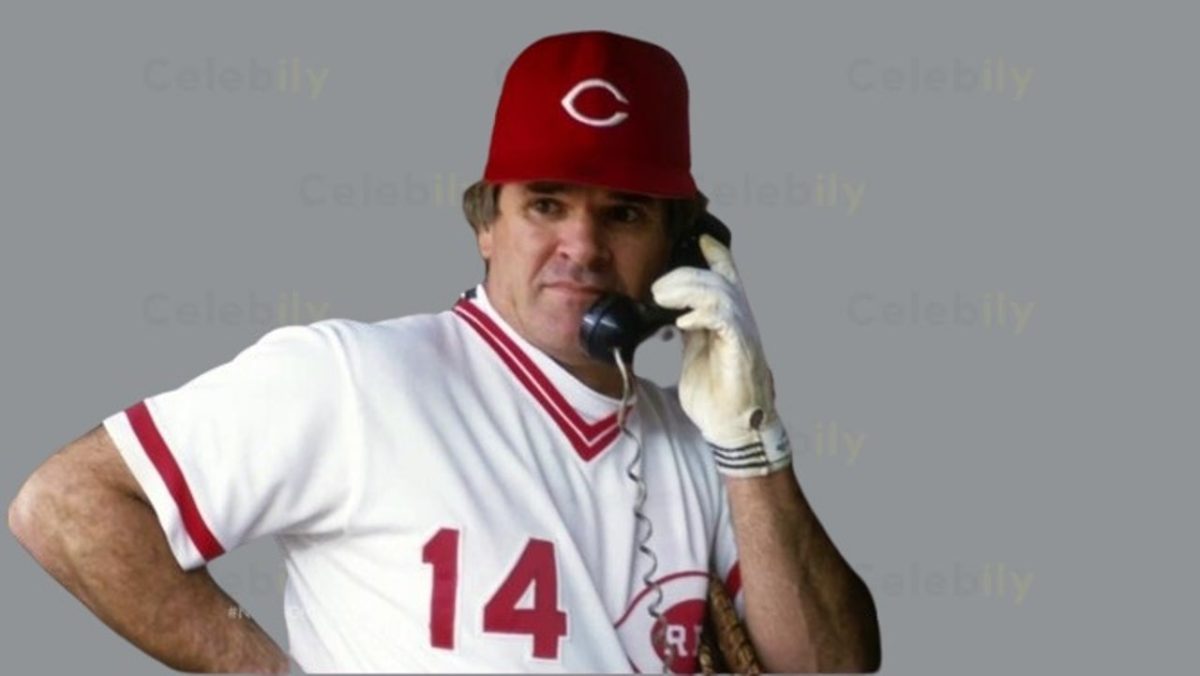
Comparison to Baseball Peers
When it comes to Major League Baseball legends, Pete Rose’s name instantly conjures images of hustle, grit, and, of course, his record-breaking 4,256 hits. But how does “Charlie Hustle” stack up financially compared to his contemporaries?
With an estimated net worth of $3 million, Pete Rose falls below many of his fellow baseball icons. Names like Hank Aaron ($25 million), Joe Namath ($30 million), and Willie Mays ($10 million) boast significantly higher net worths. This disparity raises eyebrows, considering Rose’s unparalleled hit record and 17-year playing career.
A major factor contributing to this gap is Rose’s gambling scandal and subsequent ban from Major League Baseball in 1989. This ban not only severed ties with lucrative team contracts and endorsements but also tarnished his public image, hindering post-baseball business ventures.
However, reducing Rose’s financial story solely to the gambling controversy would be a missed swing. He has actively pursued various income streams, including:
Autograph signings: Despite the controversy, Rose remains a collector’s item, generating revenue through signing memorabilia.
Business ventures: He invests in restaurants and sports memorabilia companies, diversifying his portfolio.
Public appearances: Rose frequently attends baseball events and makes media appearances, commanding fees for his participation.
While these ventures generate income, they haven’t propelled Rose into the same financial league as some of his peers. The impact of the ban and the limitations it placed on his career opportunities, coupled with potential financial mismanagement, are likely significant factors.
It’s important to remember that a $3 million net worth puts Rose comfortably above the average American household. He has achieved financial security, even if it doesn’t match the staggering wealth of some fellow baseball legends.
Ultimately, Pete Rose’s legacy extends far beyond his net worth. He is a baseball icon, a record-breaking legend, and a symbol of dedication and hustle. While his financial standing may not match that of some peers, his impact on the game and his place in baseball history remains undeniable.